
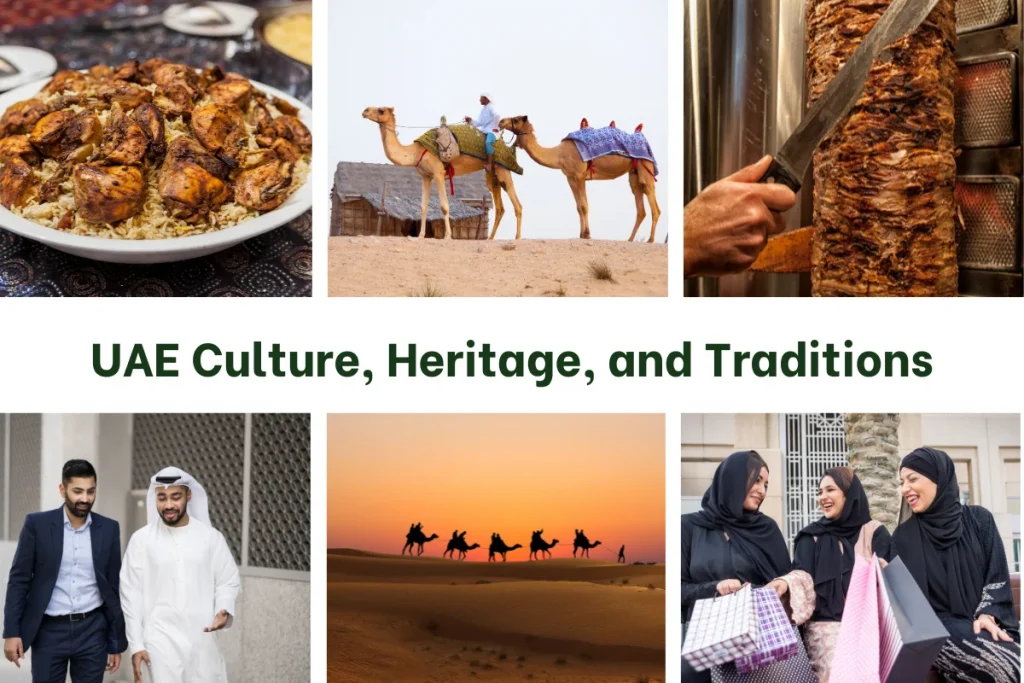

Emirati culture has deep roots in Bedouin traditions. The early people of the region were nomads, moving across the desert and relying on camels, date farming and fishing.
Pearl diving was a major economic activity before the discovery of oil, with many coastal communities depending on it for their livelihood.
Islam has played a big role in shaping the values and way of life in the UAE. Daily routines, social norms and even architecture are influenced by Islamic principles such as hospitality, modesty and community.
A major turning point came in 1971 when the United Arab Emirates was formed.
The discovery of oil led to rapid development and modernization. In just a few decades, Dubai transformed from a small desert town to a global city with skyscrapers, luxury shopping and world-class infrastructure. Despite the fast growth, Emiratis have worked to preserve their traditions and cultural identity.
Traditional Emirati Clothing
Emirati clothing is rooted in tradition and reflects the country’s culture and climate.
Both men and women dress modestly and traditional attire is still widely worn especially at cultural events and gatherings.
For men, the traditional outfit is the kandura, a long white robe made of light fabric. It helps keep you cool in the hot desert climate.
Men also wear a ghutra, a headscarf usually in white or red-and-white checkered pattern, held in place with a black cord called an agal.
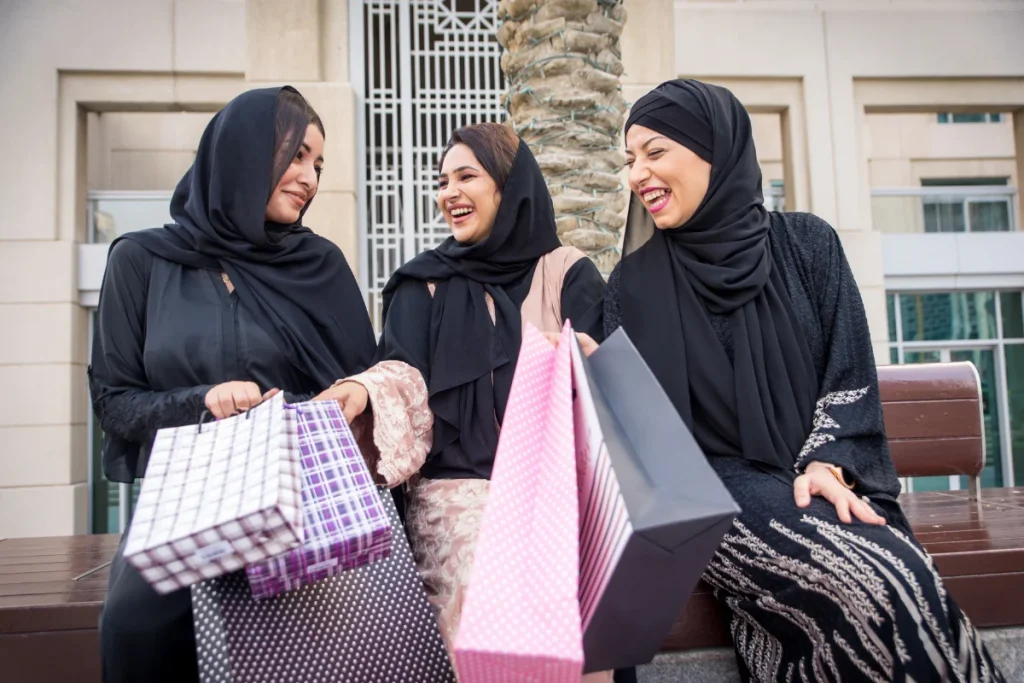
For women, the most common traditional clothing is the abaya, a flowing black cloak that is worn over everyday clothes. It is often paired with a shayla, a lightweight headscarf that covers the hair.
Dubai is modern and fashion-forward but modesty is still valued. Visitors are not expected to wear traditional Emirati clothing but it’s appreciated when they dress respectfully, especially in public places or during religious occasions.
Covering shoulders and knees is generally a good guideline.
Typical Emirati Food
Emirati food is full of flavor and tradition. It reflects the country’s Bedouin roots and coastal influences, with a focus on ingredients that have been available in the region for centuries.

Machboos is a favorite, spiced rice with lamb, chicken or fish. Harees is wheat and slow cooked meat. Some:
- Luqaimat – Sweet, crispy dumplings drizzled with date syrup or honey.
- Balaleet – Sweet vermicelli noodles served with an egg omelet, often eaten for breakfast.
- Thareed – Bread soaked in a rich meat and vegetable stew.
- Majboos – A flavorful rice dish made with meat, onions, and tomatoes, spiced with baharat.
- Kabsa: Basmati rice and meat, infused with saffron and nutmeg, and other spices.
Dining Traditions:
- Arabic coffee (Gahwa) – Always served to guests as a warm gesture of hospitality.
- Dates with coffee – A classic combination that symbolizes generosity.
- Sharing meals – Food is often served on large platters for everyone to eat together, promoting community and family bonding.
Common ingredients in Emirati cooking include dates, rice, lamb, and a variety of spices like saffron and cardamom. These add warmth and depth to the dishes, making the flavors truly unique.
Newly Opened Restaurants in Dubai, must try.
Language and Communication
Arabic is the official language of the UAE. It’s used in government documents, religious practices, and formal settings. You’ll often hear it in schools, mosques, and official announcements.
Common Greetings and Phrases
Emiratis are known for their warm and respectful greetings. Here are a few common phrases:
- “Salam Alaikum” – Peace be upon you
- “Marhaba” – Hello
- “Shukran” – Thank you
In local culture, greetings may include a handshake or, between close acquaintances, a cheek kiss. Showing respect through greetings is part of daily life.
Non-verbal Communication Cues
Body language matters in Emirati culture. Always use your right hand when eating, giving or receiving something as the left hand is considered impolite for such tasks.
Public displays of affection should be avoided. Keep a respectful distance, especially when speaking to someone of the opposite gender. A polite tone and composed body language goes a long way.
Use of English in Daily Interactions
Arabic is the official language but English is widely spoken in Dubai. From shops and hotels to taxis and offices, you’ll find it easy to communicate in English throughout the city. This makes Dubai very expat and tourist friendly.
Religion and Celebrations
Islam is part of daily life in Dubai. Muslims pray five times a day and you’ll hear the adhan (call to prayer) from nearby mosques. Many businesses pause for a few minutes during prayer times to allow staff and customers to pray.
When visiting areas near mosques, dress modestly and avoid loud or disruptive behavior. Respecting the religious environment is cultural awareness and courtesy.
Major Celebrations
Ramadan and Eid
Ramadan is a holy month of fasting, prayer and reflection. Muslims fast from sunrise to sunset and gather with family in the evenings for iftar.
At the end of Ramadan comes Eid al-Fitr, a celebration of feasting, gift giving and community gatherings. Homes, shops and streets are decorated and people wear new clothes to mark the occasion.
Visitor Tip: If you’re in Dubai during Ramadan, avoid eating, drinking or chewing gum in public during daylight hours. Many restaurants are open indoors for non-Muslims but being respectful of local customs is appreciated.
Arabic Arts and Traditional Handicrafts
Dubai’s cultural heritage is deep rooted in traditional arts and crafts. From the deserts of the Bedouin tribes to the souks of old Dubai, local artisans have passed down their skills through generations.
One of the most famous crafts is Sadu weaving — a traditional Bedouin textile art with geometric patterns and bright colours. You’ll also find beautifully made pottery, metalwork and handmade perfumes often made using traditional methods.
Arabic calligraphy is another art form loved by all, seen on mosque walls to decorative pieces.
To see these treasures up close visit the Al Shindagha Museum or Dubai Museum where you can explore the history of Emirati craftsmanship.
Wandering through traditional souks (markets) like the Textile Souk or Gold Souk will give you a hands on look at how these traditional skills are still part of the UAE’s cultural identity today.
Dubai Music, Celebrations and Parties
Dubai’s cultural scene is a mix of old and new, traditional and modern celebrations. Traditional Arabic music is a big part of local life. The oud (a stringed instrument) and drums are often featured at weddings, national events and cultural shows.
Throughout the year the city hosts various festivals that showcase its energy. The Dubai Shopping Festival is a month long event with deals, entertainment and fireworks.
The Dubai Food Festival is all about local and global cuisine, foodies from around the world flock to it. The Al Marmoom Heritage Festival is all about camel racing and Bedouin traditions, a deep dive into Emirati heritage.
You can also enjoy live cultural shows at Global Village, Expo City and traditional heritage sites where music, dance and storytelling brings Dubai’s diverse culture to life.
Conclusion
The United Arab Emirates and Dubai in particular is a fascinating blend of deep rooted traditions and modernity. From Islamic customs and Arabic hospitality to the futuristic skyline and global lifestyle, Dubai balances its heritage with cosmopolitan living.
Whether you’re here for a short stay or long term, taking the time to understand and respect local customs makes a big difference.
Embracing the norms – like dressing modestly, greeting locals respectfully or observing etiquette during Ramadan – shows you care and are open.
Cultural awareness doesn’t just make travel smoother, it opens doors to deeper connections, meaningful conversations and a more fulfilling life in the UAE. Let curiosity guide you and let respect lead the way.
FAQs
What is Emirati hospitality like?
Hospitality is a core value in Emirati culture. Guests are warmly welcomed with Arabic coffee (known as gahwa) and dates in the traditional majlis, a communal gathering place. Offering refreshments is seen as a sign of respect and kindness.
How should visitors dress in the UAE?
Visitors should dress modestly to respect local customs. For women, this means clothing that covers shoulders and knees, and a light scarf for mosque visits. Men should avoid sleeveless shirts in formal or religious settings.
When is Ramadan and how does it affect daily life?
Ramadan is the ninth month of the Islamic lunar calendar, dedicated to fasting (fasting during daylight), prayer, and reflection. During daylight hours, eating and drinking in public are restricted for non-Muslims. Many restaurants remain open but may have screened areas.
What are common Emirati greetings?
Common greetings include “Salam Alaikum” (Peace be upon you) and “Marhaba” (Hello), often followed by “Wa Alaikum Salam.” Handshakes or cheek kisses are common among friends and family.
Are there cultural festivals to attend in Dubai?
Yes, Dubai hosts many cultural events. Notable ones include the Dubai Shopping Festival, Dubai Food Festival, Al Marmoom Heritage Festival, and performances at Global Village and Expo City.
What traditional crafts can visitors explore?
Visitors can experience Sadu weaving, pottery, metalwork, calligraphy, and perfume-making in heritage areas like Heritage Village Dubai or museums such as Al Shindagha Museum. Wikipedia
What is the role of Arabic in Dubai?
Arabic is the UAE’s official language, used in government, media, and religion. However, English is widely spoken in business, retail, education, and daily life, making communication easy for visitors.
How do Emiratis use non-verbal communication?
Emiratis use respectful gestures. The right hand is used for eating and exchanging items, and public displays of affection are avoided. Respecting gender boundaries and personal space is also important.
