
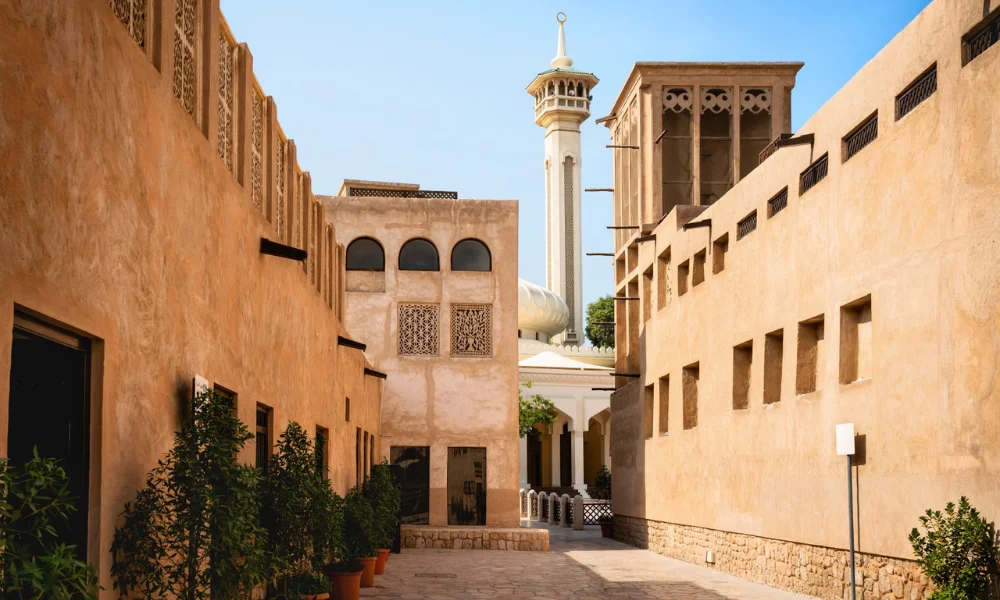

Bur Dubai is one of the best areas to visit if you want to see the older, more cultural side of Dubai. Many people know Dubai for its tall buildings, luxury malls, beaches and modern attractions, but Bur Dubai gives a different kind of experience. It is more traditional, more local and more connected to the early story of the city.
Here, you can walk through historic lanes, see traditional buildings, ride an abra across Dubai Creek, shop in old markets, visit museums, enjoy affordable food and spend time near the water. Bur Dubai is not the kind of place where you only go to one attraction and leave. It is better enjoyed slowly, by walking, looking around, stopping for tea, visiting small shops and feeling the old-city atmosphere.
This guide will help you explore the best places to visit in Bur Dubai in a simple and practical way. Whether you are a tourist visiting Dubai for the first time or a UAE resident planning a relaxed day out, Bur Dubai is a good place to experience history, shopping, food and culture in one trip.
Why Visit Bur Dubai?
Bur Dubai is worth visiting because it shows a side of Dubai that feels very different from Downtown Dubai, Dubai Marina or Palm Jumeirah. Instead of luxury towers and modern attractions, this area gives you heritage streets, traditional souks, museums, local restaurants and views of Dubai Creek.
It is also one of the easiest areas to explore without spending too much money. Many of the best experiences in Bur Dubai are simple and affordable. You can walk around Al Fahidi Historical Neighbourhood, enjoy the Creek, take an abra ride, explore the Textile Souk, visit Meena Bazaar and spend the evening at Al Seef.
Bur Dubai is also suitable for different types of visitors. History lovers can enjoy the heritage sites. Families can visit museums and creekside areas. Shoppers can explore Meena Bazaar and the Textile Souk. Food lovers can enjoy Indian, Pakistani, Arabic and casual local food. If you want to understand Old Dubai, Bur Dubai is one of the best places to start.
Al Fahidi Historical Neighbourhood
Al Fahidi Historical Neighbourhood is one of the most important places to visit in Bur Dubai. This area gives you a clear feeling of Old Dubai, with narrow lanes, traditional houses, wind towers, courtyards and cultural spaces.
Walking through Al Fahidi feels calm and different from the busy parts of the city. The buildings are low, the lanes are quiet and the architecture tells you a lot about how people lived in Dubai before the modern skyline appeared. It is a good place to slow down and imagine the older lifestyle of the city.
This neighbourhood is especially good for first-time visitors because it gives a strong introduction to Dubai’s heritage. It is also a beautiful place for photography. The sandy-coloured buildings, wooden doors, shaded lanes and traditional details make it one of the most photogenic areas in Old Dubai.
Families can also enjoy Al Fahidi because it is easy to walk around and does not feel too complicated. If you are visiting with children, you can explain to them that this area shows how Dubai looked before skyscrapers, metro stations and modern malls became part of everyday life.
The best time to visit Al Fahidi is usually in the morning or late afternoon. The weather is more comfortable, and the light is better for photos. If you start your Bur Dubai trip from here, the rest of the route becomes easy because Dubai Creek and the souks are nearby.
Dubai Creek and the Abra Ride
After visiting Al Fahidi, one of the best things to do is walk toward Dubai Creek. The Creek is one of the most meaningful places in Old Dubai. It played an important role in the city’s trading history and still gives visitors a strong sense of the old commercial life of Dubai.
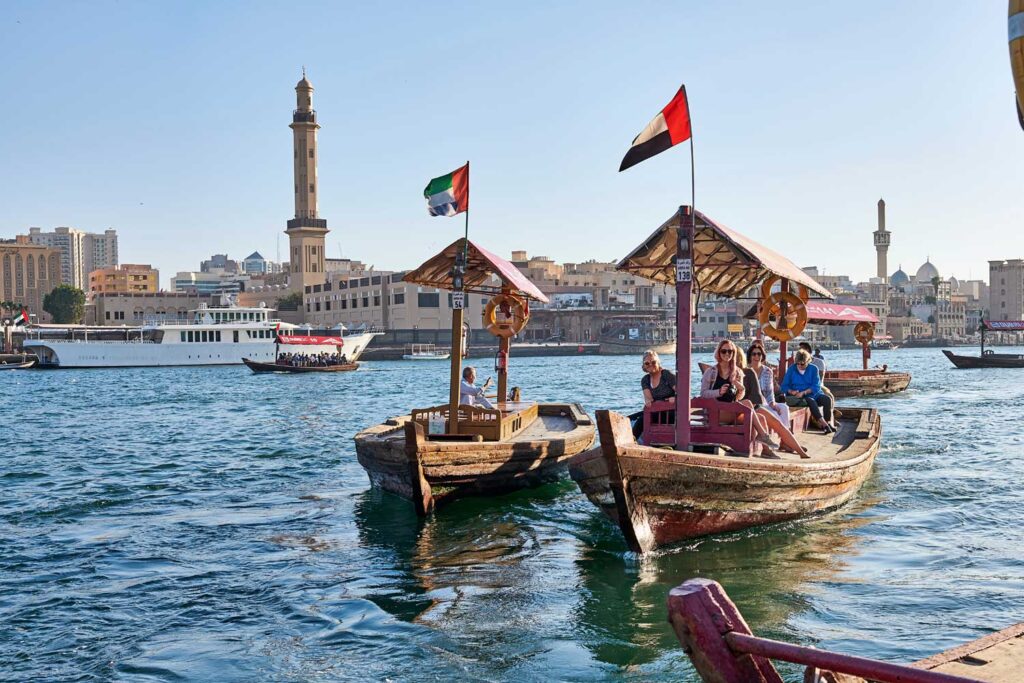
The Creek is not just a place to take photos. It is a place where you can see movement, boats, people and the connection between Bur Dubai and Deira. You can walk beside the water, watch abras crossing from one side to the other and enjoy the view of the old trading areas.
One of the most memorable experiences here is the traditional abra ride. An abra is a small wooden boat that carries passengers across Dubai Creek. The ride is short and simple, but it gives you one of the most authentic Old Dubai experiences.
The best way to enjoy it is to take an abra from Bur Dubai to Deira. During the ride, you can see the Creek from the water and feel the everyday rhythm of the area. It is not a luxury cruise, and that is what makes it special. It feels local, simple and real.
After crossing to Deira, you can visit the Gold Souk or Spice Souk if you have time. You can also return to Bur Dubai and continue exploring the old market streets. For many visitors, the abra ride becomes one of the most memorable parts of the Bur Dubai trip.
Textile Souk
The Textile Souk is another important place to visit in Bur Dubai, especially if you enjoy traditional markets. It is located near Dubai Creek and is known for fabrics, scarves, shawls, souvenirs and colourful shopfronts.
This is a good place to experience old-style shopping in Dubai. Unlike modern malls, the Textile Souk feels more personal and traditional. You can walk through the market, look at different fabrics, ask about prices and see the colours and textures displayed outside the shops.
Even if you do not plan to buy anything, the Textile Souk is still worth visiting. It gives you a strong feeling of Old Dubai’s trading culture. The area is also good for photos because the shops are full of bright materials, patterns and traditional items.
If you want to shop, take your time and compare prices. In some shops, polite bargaining may be possible. Do not rush into buying from the first place you enter. Walk around, see the quality and ask clearly about the price before making a decision.
The Textile Souk is a good stop after visiting Dubai Creek because it fits naturally into the same walking route.
Meena Bazaar
Meena Bazaar is one of the most popular shopping areas in Bur Dubai. It is busy, colourful and full of life. If you want to see a more active and crowded side of Bur Dubai, this is the place to go.
The area is especially known for clothes, fabrics, jewellery, perfumes, accessories, tailoring shops and South Asian shopping. Many people visit Meena Bazaar for Indian and Pakistani outfits, wedding clothes, festive wear and traditional items. It is also a good area for food, especially if you enjoy snacks, sweets and casual restaurants.
Meena Bazaar is not a quiet place. It can be crowded, especially in the evening and during festive seasons. But this is part of the experience. The streets feel lively, the shops are bright and there is always something happening.
If you enjoy shopping, you may spend a good amount of time here. You can look for fabrics, ready-made clothes, jewellery, perfumes or small gifts. If you are buying clothes, you can also find tailoring options nearby.
For a calmer visit, go earlier in the day. For a more lively market feeling, visit in the evening. Just be ready for crowds and walk carefully because the area can get busy.
Al Seef
Al Seef is a great place to visit after exploring the older and busier parts of Bur Dubai. It is located along Dubai Creek and gives a more relaxed creekside experience. The area combines traditional-style architecture with modern cafes, restaurants, shops and walking spaces.
Al Seef is a good choice if you want to enjoy Old Dubai in a cleaner and more comfortable setting. It still has a heritage-style look, but it feels more polished than the older souks. This makes it suitable for families, couples and visitors who want a peaceful evening walk.
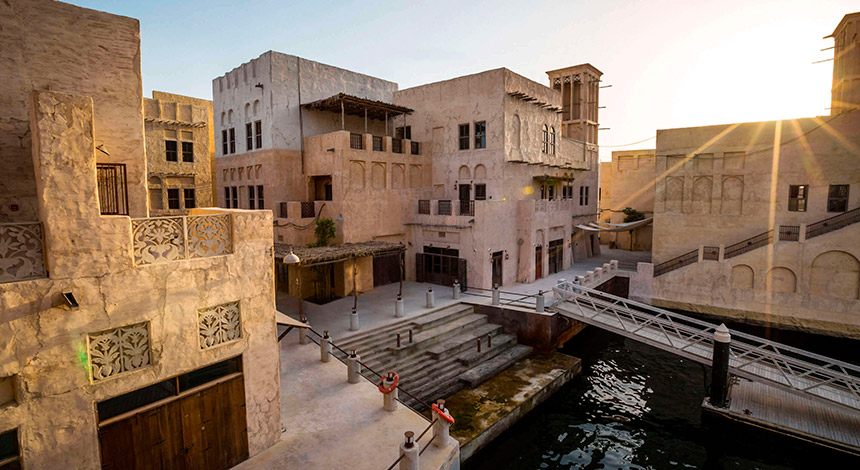
The best time to visit Al Seef is usually around sunset or in the evening. The lights, the Creek views and the traditional-style buildings create a beautiful atmosphere. You can walk slowly, take photos, sit for coffee or have dinner near the water.
Al Seef is also helpful if you are travelling with people who may not enjoy crowded markets. After visiting Meena Bazaar or the Textile Souk, Al Seef can feel calmer and easier. It is a nice place to end the day because you can relax instead of rushing from one attraction to another.
Al Shindagha Museum
Al Shindagha Museum is one of the best places to visit if you want to understand Dubai’s history in more detail. It is located near Dubai Creek and focuses on the city’s heritage, culture, trade, sea life and traditional lifestyle.
This museum is useful because it helps visitors understand how Dubai developed over time. Instead of only seeing old buildings from outside, you can learn more about the people, families, traditions and trading life that shaped the city.
Al Shindagha Museum is a good option for families, students and culture lovers. It is also a helpful indoor stop, especially when the weather is hot. If you are visiting Bur Dubai during the day, adding a museum can make the trip more balanced because you get both outdoor walking and indoor learning.
Before visiting, check the latest timings and ticket details. Museums can change opening hours during public holidays, Ramadan or special events, so it is always better to confirm before you go.
Sheikh Saeed Al Maktoum House
Sheikh Saeed Al Maktoum House is another heritage attraction near the Creek area. It is connected to Dubai’s ruling family history and traditional Emirati architecture. If you are already visiting Al Shindagha Museum, this place can fit naturally into the same heritage route.
The building gives visitors a look at older architectural styles, including courtyards, traditional rooms and historic design. It is useful for people who enjoy history, architecture and cultural places.
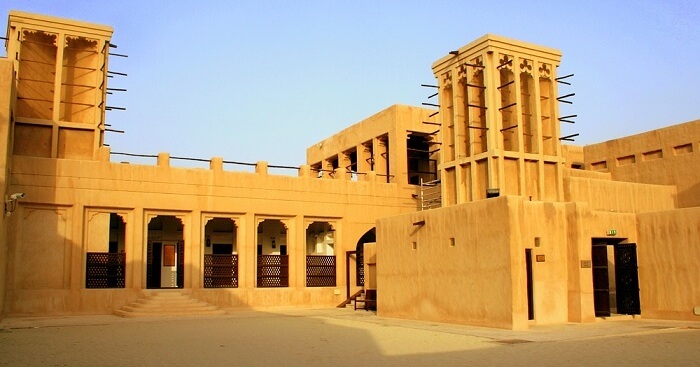
This is not the kind of attraction you need to visit separately from everything else. It is better to pair it with Al Shindagha Museum, Dubai Creek and other nearby heritage sites. That way, your route feels connected and you can understand the area more clearly.
For visitors who want a deeper Old Dubai experience, Sheikh Saeed Al Maktoum House adds more meaning to the trip.
Bur Dubai Grand Mosque
The Bur Dubai Grand Mosque area is another important cultural landmark in the district. Its architecture and location make it a noticeable part of the historic area. For visitors walking around Bur Dubai, it adds to the cultural and spiritual atmosphere of the neighbourhood.
If you are interested in Islamic culture and architecture, this place can be a meaningful stop. However, it is important to be respectful. Dress modestly, be mindful of prayer times and check whether visitor tours are available before planning to enter.
Even if you only see the mosque from outside, it still adds beauty to a walking route around Bur Dubai. The area around it connects well with the old streets, Creek and heritage attractions.
This stop is best for visitors who want to understand the cultural side of Bur Dubai, not only the shopping and food side.
BurJuman Mall
BurJuman Mall is the modern shopping and comfort stop in Bur Dubai. While Bur Dubai is mostly known for heritage, souks and Old Dubai experiences, BurJuman is useful when you want air conditioning, branded shops, restaurants and easy metro access.
This is especially helpful in summer or after a long walk through the older parts of Bur Dubai. Families may find it useful because it gives everyone a place to rest, eat and cool down.
BurJuman should not be the main focus of a Bur Dubai trip, because the real charm of the area is outside in the old streets and creekside spots. But as a practical stop, it works very well. You can use it as a break between sightseeing and shopping, or as an easy meeting point because it is well connected by public transport.
Dubai Frame as a Nearby Add-On
Dubai Frame is not exactly inside the main Old Dubai walking route, but it is close enough to add if you have extra time. It is a good attraction to visit before or after Bur Dubai because it connects nicely with the idea of old and new Dubai.
After exploring Al Fahidi, Dubai Creek and the souks, Dubai Frame helps you see the city from a different perspective. It gives visitors a symbolic view of Dubai’s past, present and future. This makes it a good add-on for first-time visitors who want to understand how much the city has changed.
If you are planning a full-day trip, you can visit Dubai Frame in the morning and then explore Bur Dubai, or you can keep it for the late afternoon. Families and tourists who enjoy city views may find it a useful addition to the itinerary.
Best Food Experiences in Bur Dubai
Bur Dubai is a great area for food lovers. The food scene here is more casual and affordable compared to many modern tourist areas of Dubai. You can find Indian, Pakistani, Arabic, Iranian and many other types of restaurants in and around the district.
Near Meena Bazaar, you can try Indian snacks, sweets, vegetarian meals, street-style food and casual restaurants. This area is especially popular with people who enjoy South Asian flavours. You can also find tea, karak, fresh juices and small food shops while walking around.
Al Seef is better if you want a more relaxed dining experience near the Creek. It has cafes and restaurants where you can sit comfortably, enjoy the view and spend time with family or friends.
The best way to enjoy food in Bur Dubai is not to overthink it. Walk around, see what looks clean and busy, and choose based on your taste. If you want a quick snack, Meena Bazaar is a good choice. If you want a relaxed dinner, Al Seef may be better.
Half-Day Bur Dubai Itinerary
If you only have half a day in Bur Dubai, keep the plan simple. Start at Al Fahidi Historical Neighbourhood and spend some time walking through the old lanes. Take photos, enjoy the traditional architecture and understand the heritage feeling of the area.
After that, walk toward Dubai Creek. Spend some time near the water and take an abra ride across the Creek if you want the classic Old Dubai experience. Even a short crossing can make the trip feel more complete.
When you return, visit the Textile Souk if you enjoy traditional markets. If shopping is your main interest, go toward Meena Bazaar instead. If you prefer a calmer ending, go to Al Seef for coffee, dinner or a relaxed creekside walk.
A half-day is enough to get a good taste of Bur Dubai, especially if you focus on Al Fahidi, the Creek, abra ride and one shopping or food stop.
Full-Day Bur Dubai Itinerary
If you have a full day, you can explore Bur Dubai more slowly. Start your morning at Al Fahidi Historical Neighbourhood because the weather is usually better and the area is peaceful at that time. Walk through the lanes, visit any open cultural spaces and take your time with the old architecture.
Late morning is a good time to move toward Dubai Creek and the Textile Souk. You can enjoy the waterfront, browse the shops and take an abra ride across the Creek. If you want to include Deira, visit the Gold Souk or Spice Souk after crossing.
For lunch, return to Bur Dubai and eat near Meena Bazaar or one of the nearby restaurant areas. After lunch, you can explore Meena Bazaar properly if you enjoy shopping.
In the afternoon, visit Al Shindagha Museum or Sheikh Saeed Al Maktoum House if you want a deeper cultural experience. These heritage attractions make the trip more meaningful and help you understand Dubai’s story better.
End the day at Al Seef. It is one of the best places in the area for evening walks, Creek views, dinner and photos. If you still have time and energy, you can add Dubai Frame as a nearby attraction before or after your Bur Dubai visit.
Travel Tips for Visiting Bur Dubai
Bur Dubai is best explored on foot, so wear comfortable shoes. Some streets can be crowded, and you may walk more than expected, especially around Al Fahidi, the Creek, Meena Bazaar and the souks.
Carry water, especially if you are visiting during the day. In summer, avoid long outdoor walks during the hottest hours. Morning and evening are much better for walking.
Dress modestly when visiting religious or heritage areas. Be respectful when taking photos, especially near mosques, temples, private shops or crowded lanes.
Keep some cash with you. Many places accept cards, but small shops, markets and abra rides may be easier with cash. If you plan to shop in the souks or Meena Bazaar, compare prices before buying and bargain politely where suitable.
Use the metro if possible. Bur Dubai can get busy, and parking may be difficult in older market areas. Al Fahidi, BurJuman and Al Ghubaiba are useful stations depending on your route.
Before visiting museums or paid attractions, check the latest opening hours and ticket details. Timings can change, so confirming before you go can save time.
FAQs
What is Bur Dubai famous for?
Bur Dubai is famous for Old Dubai attractions, Dubai Creek, abra rides, Al Fahidi Historical Neighbourhood, Textile Souk, Meena Bazaar, heritage museums, traditional shopping and affordable food.
Is Bur Dubai worth visiting?
Yes, Bur Dubai is worth visiting if you want to experience the older and more cultural side of Dubai. It is one of the best areas for heritage, markets, food, creek views and local atmosphere.
What are the best places to visit in Bur Dubai?
The best places to visit in Bur Dubai include Al Fahidi Historical Neighbourhood, Dubai Creek, Textile Souk, Meena Bazaar, Al Seef, Al Shindagha Museum, Sheikh Saeed Al Maktoum House, Bur Dubai Grand Mosque and BurJuman Mall.
Is Meena Bazaar in Bur Dubai?
Yes, Meena Bazaar is located in Bur Dubai. It is one of the most popular shopping areas in the district and is known for clothes, fabrics, jewellery, perfumes, tailoring and South Asian food.
Can I take an abra from Bur Dubai?
Yes, you can take a traditional abra from Bur Dubai across Dubai Creek to Deira. It is one of the most classic and affordable experiences in Old Dubai.
Is Bur Dubai good for families?
Yes, Bur Dubai is good for families. Families can visit Al Fahidi, Dubai Creek, Al Seef, Al Shindagha Museum, BurJuman Mall and nearby Dubai Frame. It is better to avoid too much walking during hot afternoons.
What can I do in Bur Dubai at night?
At night, you can visit Meena Bazaar, walk around Al Seef, enjoy dinner near Dubai Creek, take photos, shop in the markets or relax at a cafe. Evening is one of the best times to enjoy Bur Dubai because the weather is usually more comfortable.
How much time do I need to explore Bur Dubai?
You can explore the main highlights of Bur Dubai in half a day, but a full day is better if you want to include museums, shopping, food, abra rides and Al Seef.
What is the best time to visit Bur Dubai?
The best time to visit Bur Dubai is during the cooler months. Morning is good for heritage areas, while evening is better for Meena Bazaar, Al Seef and creekside walks.
Is Bur Dubai better than Deira?
Bur Dubai and Deira are both important parts of Old Dubai, but they offer slightly different experiences. Bur Dubai is better for Al Fahidi, museums, Meena Bazaar, Textile Souk and Al Seef. Deira is better for Gold Souk, Spice Souk and old trading markets. The best idea is to visit both by taking an abra across Dubai Creek.
