


Dubai during Ramadan feels different from the rest of the year. The city becomes calmer during the day and more lively after sunset. Restaurants prepare special iftar meals, malls stay active late into the night, families gather for suhoor, and Ramadan markets bring a warm cultural atmosphere across the city.
For tourists, Ramadan is not a difficult time to visit Dubai. Attractions, hotels, beaches, malls, and many restaurants continue to operate. The main difference is the daily rhythm. Mornings and afternoons are usually quieter, while evenings become busier after iftar.
This Dubai Ramadan tourist guide explains what to expect, what changes, how to behave respectfully, where to eat, what to wear, and the best things to do in Dubai during Ramadan.
Is Dubai Worth Visiting During Ramadan?
Yes, Dubai is worth visiting during Ramadan. In fact, Ramadan can be one of the most meaningful times to experience the city.
Dubai does not shut down during Ramadan. Hotels, malls, beaches, tourist attractions, restaurants, and transport services generally continue to operate. Some timings may change, but the city remains active.
During the day, Dubai feels quieter and more peaceful. This can be good for tourists who prefer calmer attractions, less crowded malls, and a slower pace. After sunset, the city becomes lively with iftar meals, suhoor gatherings, Ramadan markets, late-night shopping, lights, and family activities.
Dubai during Ramadan is not less enjoyable. It is simply different. With good planning, tourists can experience a more cultural, warm, and local side of the city.
What Changes in Dubai During Ramadan?
Ramadan changes the daily routine in Dubai. The biggest difference is that many people fast during the day and gather for meals after sunset.
| What Changes | What Tourists Should Know |
| Daily rhythm | Daytime is calmer, evenings are busier |
| Eating and drinking | Be respectful around people who are fasting |
| Restaurant timings | Some restaurants may adjust hours |
| Iftar time | Sunset becomes a busy dining time |
| Malls | Many malls become more active at night |
| Traffic | Roads can be busy before iftar |
| Work hours | Some offices and services may have shorter hours |
| Attractions | Most attractions remain open, but timings may change |
| Nightlife | The mood becomes more cultural and family-focused |
The easiest way to plan your trip is to keep sightseeing for the morning or early afternoon, rest later in the day, and enjoy iftar, markets, shopping, and walks after sunset.
Can Tourists Eat and Drink During Ramadan in Dubai?
Tourists are not expected to fast during Ramadan. You can eat and drink in Dubai, but it is important to do it respectfully.
Many hotels, restaurants, cafés, and mall food courts serve food during the day. Some small local restaurants may open later, while others may serve only after iftar. It is always better to check opening hours before going.
Even where eating and drinking are allowed, tourists should avoid doing it openly in front of people who are fasting. Use indoor dining areas, hotel restaurants, cafés, malls, or private spaces. Carrying water is fine, especially in Dubai’s warm weather, but drink discreetly in appropriate places.
The simple rule is this: you do not need to fast, but you should respect the Holy Month and the people who are fasting.
Are Restaurants Open During Ramadan in Dubai?
Yes, many restaurants are open during Ramadan in Dubai. Hotels, malls, tourist areas, and international dining districts usually have plenty of food options.
However, restaurant hours can change. Some places open later in the day, some offer special iftar and suhoor menus, and some smaller local restaurants may close during daylight hours and open around sunset.
Iftar is the busiest dining time of the day, so booking in advance is strongly recommended. Popular hotel iftars, Ramadan tents, and family restaurants can fill up quickly.
For tourists, the best approach is to check restaurant hours on Google, the restaurant’s website, social media pages, or by calling before visiting.
Best Things to Do in Dubai During Ramadan
1. Experience an Iftar Meal
The best thing to do in Dubai during Ramadan is to experience iftar. You can book a hotel iftar, visit a traditional Emirati restaurant, or try a Ramadan tent.
Iftar is ideal for tourists, couples, families, and groups. It gives you a direct taste of Ramadan culture through food, hospitality, and atmosphere.
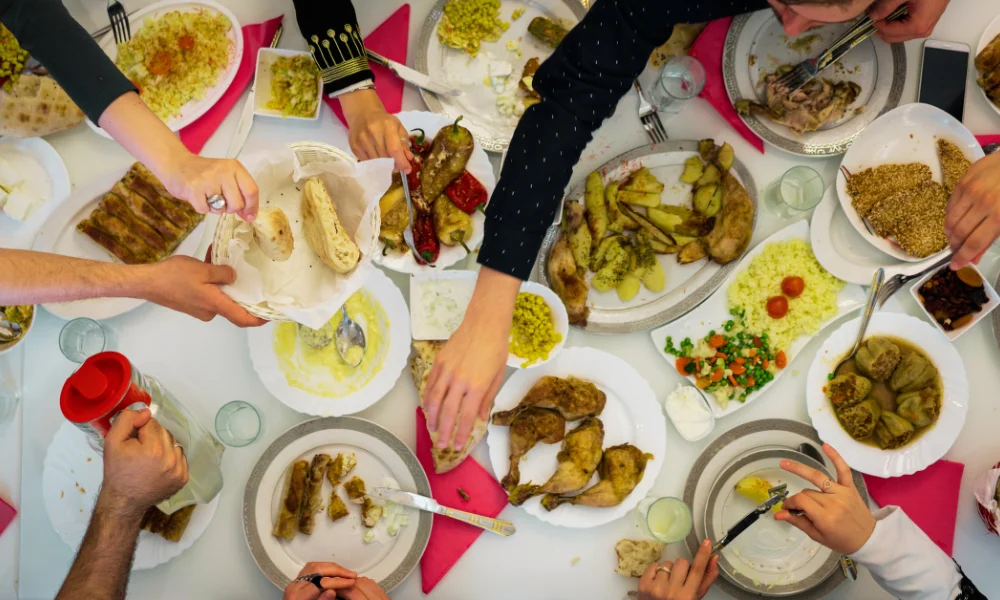
For the best experience, book before sunset and arrive early. Many restaurants become busy just before iftar time.
2. Visit Ramadan Markets
Ramadan markets are a great way to enjoy the evening atmosphere in Dubai. They often include food stalls, sweets, perfumes, lanterns, gifts, abayas, kaftans, henna, local products, and family activities.
These markets are usually more active after sunset. They are good for tourists who want to shop, eat, walk around, and enjoy a festive but respectful Ramadan mood.
Areas such as Al Seef, Old Dubai, Global Village when seasonal, Expo City, Jumeirah, and other event spaces may host Ramadan-themed markets and activities.
3. Explore Old Dubai at Night
Old Dubai becomes especially beautiful during Ramadan evenings. Places like Al Fahidi Historical District, Dubai Creek, Al Seef, the Gold Souk, Spice Souk, and Bur Dubai feel atmospheric after sunset.
You can walk through heritage areas, take an abra ride across Dubai Creek, enjoy Arabic coffee, visit traditional shops, and try local food.
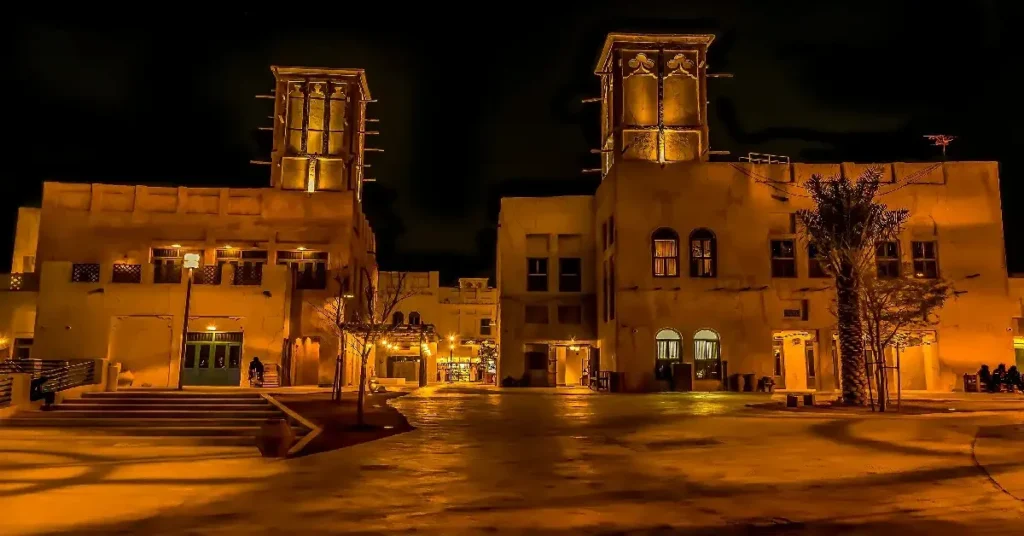
This is one of the best ways to see the cultural side of Dubai beyond malls and skyscrapers.
4. Go to the Malls After Iftar
Dubai’s malls remain important social spaces during Ramadan. After iftar, malls often become busier with families, shoppers, tourists, and late-night visitors.
Dubai Mall, Mall of the Emirates, City Centre Mirdif, Dubai Festival City Mall, and other major malls are good options for shopping, dining, indoor attractions, and entertainment.
Ramadan decorations, special offers, and extended evening activity make malls a comfortable choice, especially for families and first-time visitors.
5. Visit Mosques Respectfully
Ramadan is a meaningful time to learn more about Islamic culture. Tourists can visit mosque areas respectfully, and some mosques in Dubai offer cultural tours.
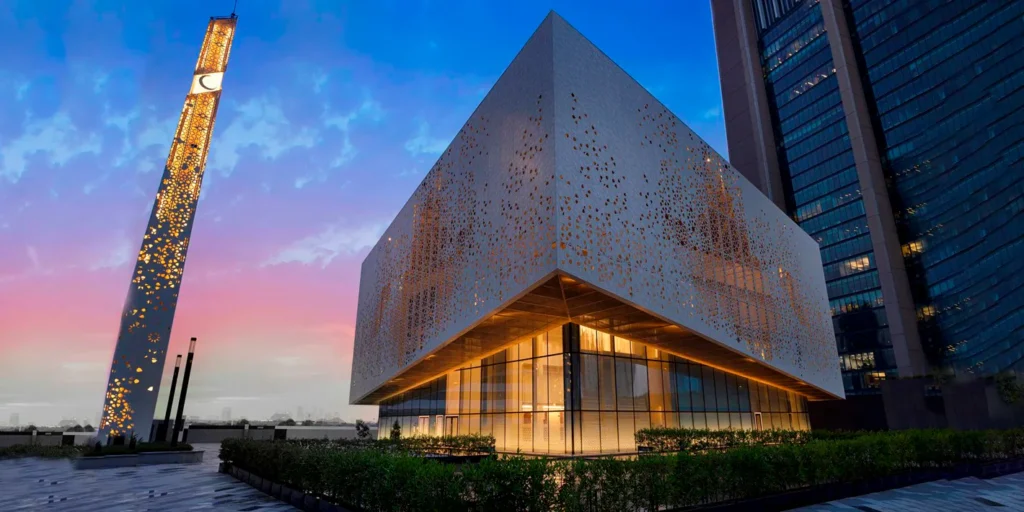
Jumeirah Mosque is one of the most well-known mosques for visitors because it is known for cultural understanding and guided tours.
When visiting mosque areas, dress modestly, speak quietly, avoid disturbing worshippers, and do not take photos of people praying. A mosque visit should feel respectful, not like a casual photo stop.
6. Try Traditional Ramadan Foods
Food is a major part of the Ramadan experience in Dubai. Some traditional foods and drinks to try include dates, lentil soup, harees, samboosa, machboos, luqaimat, kunafa, Umm Ali, Arabic coffee, jallab, laban, and karak chai.
Dates and water are usually the first items used to break the fast. Luqaimat is a popular sweet made from fried dough balls, often served with date syrup. Harees is a comforting dish made with wheat and meat.
Trying Ramadan foods helps tourists understand the season beyond sightseeing.
7. Enjoy a Desert Iftar
A desert iftar is one of the most memorable Ramadan experiences in Dubai. It combines sunset views, Arabic food, desert scenery, and a calm outdoor setting.
Some desert camps offer iftar packages with traditional seating, food, drinks, and cultural activities. Luxury desert experiences may include private setups, premium menus, and a more refined atmosphere.
Book early, check transfer options, and confirm what is included before going.
8. Visit Dubai Attractions During Quieter Daytime Hours
Most major Dubai attractions remain open during Ramadan, though timings may change. Daytime can be quieter, making it a good time to visit indoor or structured attractions.
Good options include Dubai Frame, Burj Khalifa, Museum of the Future, Dubai Aquarium, The View at The Palm, Dubai Marina, Bluewaters Island, malls, beaches, and hotel pools.
Outdoor sightseeing is better in the morning or near sunset. Afternoon heat can be tiring, especially while fasting hours are ongoing and the city feels quieter.
What to Wear in Dubai During Ramadan
Dubai is tourist-friendly, but Ramadan is a good time to dress more modestly in public places.
In malls, markets, cultural areas, and public streets, it is respectful to cover shoulders and knees. Loose, light clothing is practical because Dubai can be warm. A light scarf or shawl is useful for mosque visits or more conservative areas.
Beachwear is fine at beaches, pools, and resorts. But swimwear should not be worn in malls, restaurants, souks, or public streets.
Modest clothing during Ramadan is not only about rules. It shows respect for the culture and the Holy Month.
Ramadan Etiquette for Tourists in Dubai
Ramadan etiquette is simple. You do not need to be nervous, but you should be mindful.
Do
- Dress respectfully in public areas.
- Book iftar in advance.
- Be patient with traffic before sunset.
- Check restaurant and attraction timings before visiting.
- Use greetings like “Ramadan Kareem” or “Ramadan Mubarak.”
- Respect prayer times and mosque areas.
- Eat and drink in appropriate indoor or private spaces.
Don’t
- Do not eat, drink, smoke, or chew gum openly in front of people who are fasting.
- Do not play loud music in public areas.
- Do not take photos of people praying.
- Do not wear beachwear outside beaches or pools.
- Do not expect nightlife to feel exactly the same as other months.
- Do not get impatient if service slows down before iftar.
A respectful attitude makes Ramadan travel in Dubai easy and pleasant.
Best Areas to Stay in Dubai During Ramadan
Downtown Dubai
Downtown Dubai is a strong choice for first-time tourists. It gives easy access to Dubai Mall, Burj Khalifa, Dubai Fountain, restaurants, hotels, and many iftar options.
It is best for travellers who want convenience and major attractions close by.
Dubai Marina and JBR
Dubai Marina and JBR are good for tourists who want beach access, evening walks, restaurants, cafés, and a modern lifestyle area.
During Ramadan, this area is better in the evening, especially after iftar.
Deira and Bur Dubai
Deira and Bur Dubai are good for budget travellers and people who want a more traditional Dubai atmosphere.
You will be close to souks, Dubai Creek, abra rides, Al Fahidi, Al Seef, and many affordable food options.
Palm Jumeirah
Palm Jumeirah is best for luxury hotel stays, resort iftars, beach access, and relaxed Ramadan evenings.
It is ideal for couples, families, and travellers who want a resort-style Ramadan trip.
Business Bay
Business Bay is a practical central area. It gives access to Downtown Dubai, restaurants, hotels, and main roads.
It works well for tourists who want a balance between price, location, and convenience.
Suggested Dubai Ramadan Tourist Itinerary
Daytime Plan
Start with breakfast inside your hotel, mall, or designated restaurant. Visit an indoor attraction such as Dubai Mall, Museum of the Future, Dubai Aquarium, or Dubai Frame. Keep outdoor walking light, especially in the afternoon.
Return to your hotel in the late afternoon, rest, and prepare for iftar.
Evening Plan
Go for iftar at a hotel, restaurant, Ramadan tent, or traditional dining spot. After that, visit a Ramadan market, walk around Old Dubai, explore Downtown, shop at a mall, or enjoy a late-night suhoor.
Ramadan evenings are the best part of the day for tourists.
3-Day Ramadan Itinerary
Day 1: Visit Dubai Mall and Burj Khalifa, then enjoy a hotel iftar.
Day 2: Explore Al Fahidi, Dubai Creek, Al Seef, and a Ramadan market in the evening.
Day 3: Spend the day at a beach, hotel pool, or indoor attraction, then book a desert iftar or suhoor tent experience.
This itinerary keeps the daytime relaxed and makes the evening the main focus.
Is Ramadan Good for Families Visiting Dubai?
Yes, Ramadan is a good time for families visiting Dubai. The atmosphere is calm, respectful, and family-focused.
Malls, hotels, parks, attractions, Ramadan markets, and restaurants are generally family-friendly. Children can enjoy decorations, sweets, shopping, evening walks, and cultural experiences.
Families should plan dinner carefully because iftar time can be busy. Booking in advance is useful, especially for hotel buffets and popular family restaurants.
The best family plan is to keep the afternoon light, rest before sunset, and enjoy the city after iftar.
Is Ramadan Good for Couples Visiting Dubai?
Yes, Ramadan can be a beautiful time for couples visiting Dubai. The evenings are warm, calm, and atmospheric, especially around beaches, hotel restaurants, rooftops, desert camps, and waterfront areas.
Couples can enjoy romantic iftar dinners, luxury hotels, desert dining, suhoor lounges, Old Dubai walks, and late-night shopping.
However, public displays of affection should be avoided. Keep the mood respectful and choose restaurants, hotels, or private dining spaces for romantic plans.
Sunset and nighttime plans are better than heavy daytime outdoor sightseeing.
Common Mistakes Tourists Make During Ramadan in Dubai
Many tourists enjoy Dubai during Ramadan, but a few simple mistakes can make the trip less smooth.
The most common mistake is not checking restaurant timings. Some places adjust hours during Ramadan, so always confirm before visiting.
Another mistake is planning too much outdoor sightseeing in the afternoon. Dubai can be warm, and the city feels quieter during fasting hours.
Some visitors also forget to book iftar in advance. Since sunset dining is busy, popular restaurants can fill up quickly.
Other mistakes include wearing beachwear outside beach areas, expecting nightlife to feel exactly the same as usual, ignoring traffic before iftar, and missing Ramadan markets or cultural experiences.
With a little planning, these problems are easy to avoid.
Frequently Asked Questions
Can tourists visit Dubai during Ramadan?
Yes, tourists can visit Dubai during Ramadan. Most attractions, malls, hotels, beaches, and restaurants remain open, although some timings may change.
Do tourists have to fast in Dubai during Ramadan?
No, tourists do not have to fast. However, they should respect people who are fasting by eating and drinking in appropriate places.
Are restaurants open in Dubai during Ramadan?
Yes, many restaurants are open in Dubai during Ramadan, especially in hotels, malls, and tourist areas. Some smaller restaurants may open only after iftar.
Can tourists drink water during Ramadan in Dubai?
Yes, tourists can drink water, but it is best to do so discreetly in suitable places such as hotels, indoor restaurants, mall dining areas, or private spaces.
Are Dubai attractions open during Ramadan?
Most Dubai attractions remain open during Ramadan, but operating hours may change. Always check official timings before visiting.
Is Dubai Mall open during Ramadan?
Yes, Dubai Mall and other major malls usually remain open during Ramadan. Many malls become more active after iftar and may operate later into the evening.
What should tourists wear during Ramadan in Dubai?
Tourists should dress modestly in public places during Ramadan. Covering shoulders and knees is a respectful choice, especially in malls, markets, cultural areas, and mosque surroundings.
What is the best thing to do in Dubai during Ramadan?
The best things to do in Dubai during Ramadan include joining an iftar, visiting Ramadan markets, exploring Old Dubai at night, trying traditional Ramadan foods, and enjoying suhoor.
Is nightlife available in Dubai during Ramadan?
Dubai remains active at night during Ramadan, but the atmosphere is usually more family-focused, cultural, and dining-oriented.
Is Ramadan a cheaper time to visit Dubai?
It can be cheaper depending on travel dates, hotel demand, and season. Prices vary, so compare flights, hotels, and restaurant offers before booking.

Leave a Reply