


Abu Dhabi, the capital of the United Arab Emirates, is known for its modern skyline, cultural landmarks, and growing opportunities for professionals and families.
The country’s political and administrative center, it has become an attractive destination for expats seeking career growth, safety, and high living standards.
However, before relocating or settling into daily life, it is essential to understand the cost of living in Abu Dhabi.
From upscale beachfront neighborhoods to more affordable suburban areas, the city offers a wide range of lifestyle options—but costs can add up quickly depending on your choices.
This guide is designed to help you plan your finances more effectively by providing a detailed breakdown of typical expenses in Abu Dhabi.
We’ll explore housing, groceries, transportation, healthcare, education, utilities, and leisure activities.
Whether you’re a single professional or a family moving to the city, this blog will help you make informed decisions and create a realistic monthly budget tailored to your lifestyle.
Is Abu Dhabi Expensive?
Abu Dhabi is often seen as a costly city, but the actual cost of living depends on your personal choices and lifestyle.
While the capital offers luxurious housing, fine dining, and premium services, it also provides plenty of affordable options. Expenses such as rent, groceries, and leisure can be managed well with careful planning.
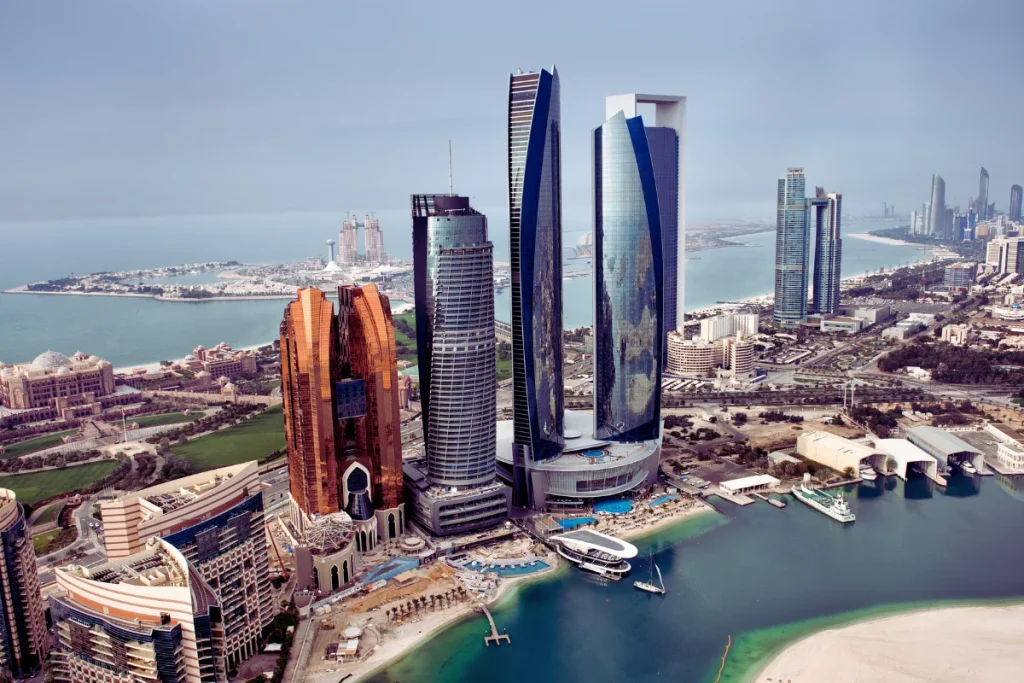
Compared to Dubai, Abu Dhabi can be slightly more affordable, especially in terms of rent in residential areas.
On the other hand, cities like Sharjah are generally more budget-friendly, attracting commuters who work in Abu Dhabi but live elsewhere.
With the right decisions, residents can enjoy a comfortable life in Abu Dhabi without overspending.
Quick Cost Overview: Living Expenses in Abu Dhabi
| Category | Typical Cost Range (AED) | Typical Cost Range (USD) | Notes |
| Housing & Rent | |||
| Studio Apartment | 2,500 – 4,000 | 680 – 1,090 | Affordable areas like Khalifa City, MBZ City |
| 1-Bedroom Apartment | 3,500 – 8,500 | 950 – 2,310 | Popular areas: Reem Island, Al Khalidiyah |
| 2-Bedroom Apartment | 5,500 – 12,000 | 1,500 – 3,270 | Depends on location and amenities |
| Furnished Premium | 500 – 1,500 | 135 – 410 | Additional cost over unfurnished |
| DEWA Setup Fees | 1,000 – 2,000 | 270 – 545 | One-time connection fees |
| Monthly Utilities | 300 – 700 | 80 – 190 | Electricity, water, cooling |
| Transportation | |||
| Public Transport (monthly) | 250 – 500 | 68 – 135 | Bus, taxis, ride-sharing apps |
| Car Ownership (monthly) | 800 – 1,200 | 220 – 330 | Fuel, insurance, parking |
| Groceries & Food | |||
| Monthly Groceries (1 person) | 700 – 1,000 | 190 – 270 | Shopping at Lulu, Carrefour |
| Monthly Groceries (family) | 2,000 – 2,800 | 545 – 760 | Varies with preferences |
| Dining Out (local) | 15 – 30 (per meal) | 4 – 8 | Cafeterias, casual eateries |
| Dining Out (mid-range) | 60 – 120 (per meal) | 16 – 33 | Restaurants |
| Fine Dining | 250+ (per meal) | 68+ | Premium restaurants |
| Internet & Mobile | |||
| Home Internet (monthly) | 300+ | 80+ | Basic plans |
| Mobile Plans | 125 – 250 | 34 – 68 | Depending on package and usage |
| Healthcare & Insurance | |||
| Basic Annual Insurance | 700 – 1,000 | 190 – 270 | Minimal coverage |
| Private Insurance (monthly) | 300 – 800 | 80 – 220 | Depending on age and coverage |
| Private Clinic Visit | 200 – 500 | 54 – 135 | Per visit fee |
| Education | |||
| Primary School Tuition | 15,000 – 50,000 (annual) | 4,080 – 13,610 (annual) | British, American, Indian, IB curricula |
| Secondary School Tuition | 25,000 – 70,000 (annual) | 6,810 – 19,040 (annual) | |
| University Tuition | 40,000 – 90,000 (annual) | 10,900 – 24,500 (annual) | Local and international branch campuses |
| Lifestyle & Entertainment | |||
| Gym Memberships | 150 – 400 | 40 – 110 | Depends on facilities |
| Leisure & Entertainment | 500 – 1,200 | 135 – 330 | Monthly budget for activities, dining, events |
Housing and Rent
Housing is often the biggest expense for residents in Abu Dhabi. The city offers a variety of options, from high-rise apartments in central areas to spacious villas on the outskirts.
Rent prices vary widely depending on location, property type, and whether the unit is furnished or unfurnished.

Popular residential areas like Reem Island, Al Khalidiyah, and Al Raha Beach are well-developed and come with amenities such as supermarkets, gyms, and waterfront views.
Rent for a 1-bedroom apartment in these areas can range from AED 5,500 to AED 8,500 per month. More budget-friendly options like Khalifa City or Mohammed Bin Zayed City offer similar units for around AED 3,500 to AED 5,500.
- Studios typically cost between AED 2,500 and AED 4,000 monthly
- 1-bedrooms range from AED 3,500 to AED 8,500
- 2-bedroom apartments can go from AED 5,500 to AED 12,000 depending on the location and building amenities
Furnished units usually come at a premium, adding AED 500 to AED 1,500 to the monthly rent. Unfurnished units are cheaper but may require upfront investment in appliances and furniture.
For short-term stays, serviced apartments and hotel residences are available but are generally more expensive. These are ideal for digital nomads or people on short-term contracts.
DEWA (Dubai Electricity and Water Authority) setup fees for a new connection in Abu Dhabi typically range from AED 1,000 to AED 2,000.
Monthly utility bills depend on usage but generally fall between AED 300 and AED 700 for a 1- to 2-bedroom unit. Most rental agreements do not include these costs, so they should be factored into your monthly housing budget.
Transportation Costs
Abu Dhabi has a well-connected public transport system, primarily made up of buses and taxis. Buses are affordable, with a standard fare of around AED 2 per ride.
Taxis are more convenient but costlier, with a starting fare of AED 12 and additional charges based on distance. Ride-sharing apps like Careem and Uber are also popular but can be more expensive during peak hours.

Owning a car is common in Abu Dhabi due to convenience and relatively low fuel prices (around AED 3 per liter).
However, costs like insurance, parking, and vehicle maintenance can add up. While Abu Dhabi does not use the Salik toll system like Dubai, some bridges and highways may have their own tolls.
On average, a single person may spend AED 250 to AED 500 per month on transportation, while a family with a car can expect to budget AED 800 to AED 1,200 monthly, depending on commuting habits and car usage.
Grocery and Food Expenses
Grocery shopping in Abu Dhabi can be affordable if you shop at mainstream supermarkets like Lulu Hypermarket, Carrefour, or Abu Dhabi Coop, which offer competitive prices on daily essentials. For premium or imported goods, Waitrose and Spinneys are popular, though they are more expensive.
On average, a monthly grocery bill for one person ranges between AED 700 and AED 1,000, depending on preferences. A family of four can expect to spend AED 2,000 to AED 2,800 per month if cooking at home regularly.
Dining out also varies by lifestyle. Meals at local cafeterias cost between AED 15 and AED 30, while mid-range restaurants charge around AED 60 to AED 120 per person. Fine dining venues can exceed AED 250 per person easily.
Food delivery is widely used, with apps like Talabat, Careem Food, and Deliveroo offering quick service.
While convenient, frequent orders can drive up your monthly spending due to delivery charges and higher menu prices. Meal prepping and eating at home remain the most budget-friendly options.
Utility and Internet Bills
In Abu Dhabi, utility services such as electricity, water, and cooling are managed by ADDC (Abu Dhabi Distribution Company).
For a 1-bedroom apartment, the average monthly utility bill typically ranges from AED 300 to AED 500, depending on the season.
During the hotter months, air conditioning use can cause bills to rise, especially in larger apartments or villas, where costs may reach AED 700 or more.
For internet and mobile services, Etisalat and Du are the two main providers.
A basic home internet package starts from AED 300 per month, while mobile phone plans with calls and data usually range between AED 125 and AED 250, depending on usage and features.
To save on energy, residents are advised to set AC temperatures between 24–26°C, unplug devices when not in use, and use LED lights.
Many buildings now have central cooling systems that can also help manage costs more efficiently. Tracking monthly usage through the ADDC app or portal can help identify ways to reduce utility expenses over time.
Healthcare and Insurance
Abu Dhabi offers a mix of public and private healthcare services, both of which are known for their high standards.
Public hospitals are generally affordable but may have longer wait times, while private clinics and hospitals provide faster access and more specialized care at higher costs.
For residents, health insurance is mandatory. Most employers provide coverage as part of the benefits package. If not, individuals must purchase their own plan.
Basic health insurance premiums start from around AED 700 to AED 1,000 per year for minimal coverage. Comprehensive private plans can cost AED 300 to AED 800 per month, depending on age, coverage, and pre-existing conditions.
Out-of-pocket costs for private doctor visits typically range from AED 200 to AED 500, while public facilities are much more affordable with an Emirates ID.
Choosing the right insurance plan and using in-network providers can help manage healthcare expenses effectively.
Education Costs (For Families)
Education is a key consideration for families living in Abu Dhabi, where private schools dominate the education sector.
The city offers a wide range of curricula, including British, American, Indian, and IB (International Baccalaureate), each with its own tuition structure.
For primary school, annual fees range from AED 15,000 to AED 50,000, depending on the curriculum and school reputation.
Secondary school fees tend to be higher, ranging from AED 25,000 to AED 70,000 per year. British and IB schools are typically on the higher end, while Indian curriculum schools tend to be more budget-friendly.
Abu Dhabi is also home to several universities, including local institutions and international branch campuses. Tuition fees vary widely but generally range from AED 40,000 to AED 90,000 per year for undergraduate programs.
The Department of Education and Knowledge (ADEK) oversees school inspections and ratings in Abu Dhabi, similar to KHDA in Dubai.
These ratings assess academic quality, leadership, and student development, making them a useful tool for parents evaluating schools. Early planning and exploring scholarship or sibling discounts can help reduce overall education costs.
Lifestyle and Entertainment
Abu Dhabi offers a vibrant lifestyle with plenty of options for fitness and entertainment.
Gym memberships typically cost between AED 150 and AED 400 per month, depending on the facilities and location. Many residents also enjoy yoga classes, sports clubs, and swimming pools available in residential communities or specialized centers.

For leisure, the city has several large malls, cinemas, and family-friendly beaches like Corniche Beach and Saadiyat Island. These spots are popular for relaxing and socializing.
Additionally, Abu Dhabi hosts numerous cultural festivals, concerts, and community events throughout the year, providing free or affordable entertainment options for all ages.
On average, residents spend around AED 500 to AED 1,200 monthly on entertainment and leisure activities.
By taking advantage of free events, early bird discounts, and membership deals, you can enjoy a rich social life without breaking the bank.
Planning your entertainment budget helps maintain a healthy balance between fun and finances.
Abu Dhabi vs Dubai, Which UAE City is Right for you?
Sample Monthly Budgets by Lifestyle
Understanding how your lifestyle affects your monthly expenses can help you plan better. Here are sample budgets based on three common lifestyles in Abu Dhabi.
Budget-conscious individual
This lifestyle suits students, entry-level professionals, or anyone looking to save. Shared housing or a studio apartment in areas like Khalifa City or Mohammed Bin Zayed is common, costing around AED 2,500 to AED 4,000 ($680 to $1,090).
Using public transport and cooking at home keeps food and travel costs low. Monthly groceries might cost AED 700, and transportation around AED 300. Entertainment expenses stay minimal, about AED 200 monthly.
monthly total: AED 4,000 to AED 5,500 ($1,090 to $1,500).
Middle-class expat
A typical middle-class lifestyle includes renting a 1-bedroom apartment in Al Khalidiyah or Reem Island for around AED 5,500 to AED 7,500 ($1,500 to $2,040).
A private gym membership, moderate dining out, and occasional taxi rides add to monthly costs.
Groceries for one or two people average AED 1,200, with transportation around AED 500. Entertainment and social activities might cost AED 600 monthly.
Estimated monthly total: AED 8,000 to AED 10,000 ($2,180 to $2,720).
Luxury lifestyle
For those seeking premium living, a sea-view apartment in Saadiyat Island or Al Raha Beach can cost AED 12,000 to AED 20,000 ($3,270 to $5,450) per month.
A private car, premium gym memberships, fine dining, and frequent leisure activities are typical. Utilities and groceries are higher due to lifestyle choices.
Estimated monthly total: AED 20,000 to AED 30,000+ ($5,450 to $8,170+).
By understanding these examples, you can adjust your budget to fit your priorities and lifestyle in Abu Dhabi.
Final Thoughts & Budgeting Tips
Abu Dhabi offers a range of living options to suit different budgets and lifestyles, from affordable neighborhoods to luxury residences.
Whether you are a single professional or a family, careful planning can help you make the most of your income while enjoying the city’s many amenities.
To manage your expenses effectively, start by tracking your monthly spending and identifying areas where you can save. Choosing more affordable housing locations and cooking at home can significantly reduce costs. Using budgeting apps can help you stay organized and on target.
Most importantly, take the time to plan your finances thoroughly before relocating. Understanding your expected income and expenses will ensure a smoother transition and help you avoid surprises.
FAQs
1. Is Abu Dhabi cheaper than Dubai?
Generally, Abu Dhabi tends to be slightly more affordable than Dubai, especially in terms of rent and housing costs. However, expenses vary based on lifestyle and location.
2. What is a good salary to live comfortably in Abu Dhabi?
A monthly salary of around AED 12,000 to AED 15,000 is considered comfortable for a single professional, covering rent, utilities, food, and leisure.
3. How much does rent cost in Abu Dhabi on average?
Rent varies by area and apartment size, but a 1-bedroom apartment typically costs between AED 5,000 and AED 8,000 per month.
4. Are utilities included in rent in Abu Dhabi?
Usually, utilities such as electricity, water, and cooling are not included in rent and are billed separately by ADDC.
5. Is public transport widely used in Abu Dhabi?
Public buses are affordable and used by many, but owning a car is common due to limited metro options.
6. How expensive is healthcare in Abu Dhabi?
Public healthcare is affordable, but private clinics and hospitals charge more. Health insurance is mandatory for residents.
7. What are the education costs for private schools?
Private school fees range widely depending on the curriculum, typically from AED 15,000 to over AED 50,000 annually.
8. Can I save money living in Abu Dhabi?
Yes, by choosing affordable housing, cooking at home, using public transport, and planning your budget, you can live comfortably without overspending.
