


Dubai is one of the best cities in the world for expats, professionals, and long-term travelers.
Known for its modern skyline, tax-free salaries, and safe living environment, it has become a top destination for people looking to live and work abroad.
In 2025, the topic of the cost of living in Dubai has gained more attention. Global economic changes, inflation, and lifestyle trends have changed the way people spend and plan their finances.
While Dubai has many advantages, it’s important to know what everyday expenses look like before you make the move.
This guide is for anyone considering a new life in Dubai. Whether you’re moving for work, working remotely, or just exploring the idea of living in the UAE, knowing the true cost of living will help you plan better.
In the sections below, you’ll find detailed information on monthly housing, transportation, groceries, utilities and lifestyle expenses.
We’ll give you a clear and honest view of what it takes to live comfortably in Dubai based on different lifestyle choices and budgets.
Is Dubai Expensive?
Dubai has a reputation for luxury, high-end living and extravagant lifestyles. While that’s not entirely true, it’s not entirely false either.
The reality is that Dubai offers a wide range of living options, so you can manage your expenses based on your personal preferences and income.
For those who want a budget-conscious lifestyle, affordable housing and public transport options are available in several areas.
For those who want premium experiences, Dubai also offers world class apartments, fine dining, and exclusive entertainment.
Compared to global cities like London, New York City, or Singapore, Dubai’s cost of living is competitive, especially with no income tax.
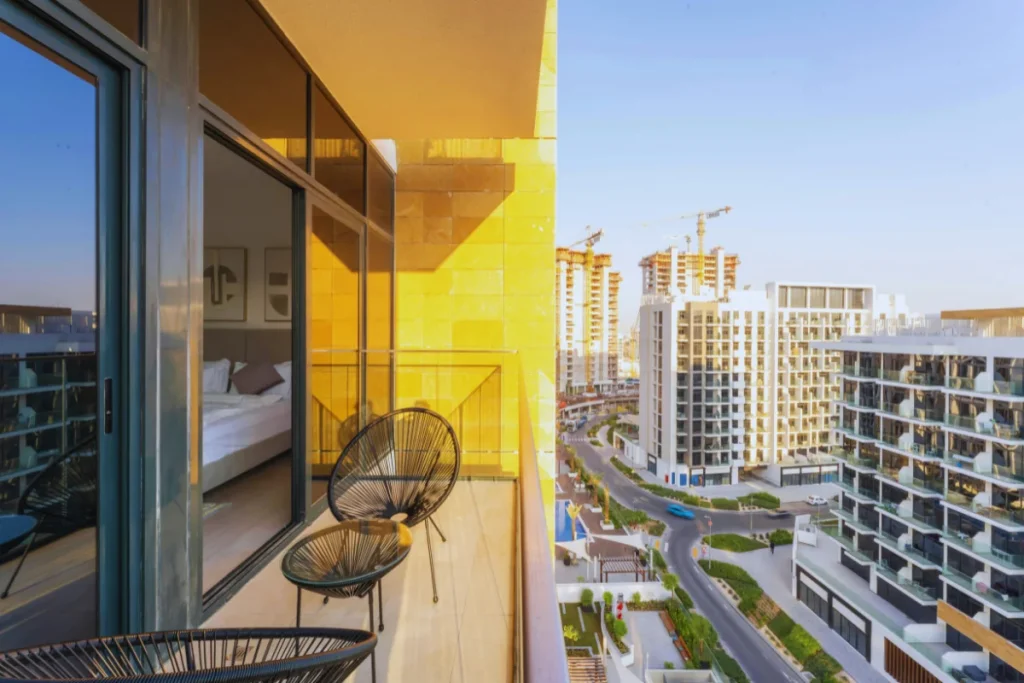
Howeve,r housing and schooling can impact your overall monthly expenses. Knowing where and how you spend is the key to managing your budget in this city.
Dubai Housing & Rent Overview (2025)
| Housing Type | Area | Monthly Rent (AED) | Monthly Rent (USD) | Notes |
|---|---|---|---|---|
| 1-Bedroom Apartment | Downtown Dubai, Marina, Business Bay | 7,000 – 12,000 | 1,900 – 3,300 | High-end, central areas with premium amenities |
| 1-Bedroom Apartment | JVC, Al Nahda, Deira | 3,500 – 6,000 | 950 – 1,600 | More affordable, suitable for mid-range budgets |
| 2-Bedroom Apartment | Central Areas | From 9,000 | From 2,450 | Prices vary based on building and view |
| Shared Apartment (Room) | Various | From 1,500 | From 400 | Popular among students and young professionals |
Food & Grocery Expenses
| Category | Details | Estimated Cost (AED) | Estimated Cost (USD) |
|---|---|---|---|
| Groceries (per month) | Basic items for 1 person: rice, eggs, vegetables, chicken, etc. | 700 – 1,000 | 190 – 270 |
| Simple Meal (Cafeteria) | Local eateries or food courts | 20 – 30 | 5 – 8 |
| Mid-Range Restaurant | Casual dining (per person) | 60 – 120 | 16 – 33 |
| Fine Dining | High-end restaurants (per person) | 300+ | 80+ |
| Food Delivery | Talabat, Deliveroo, Careem Food (frequent use increases total cost) | Varies | Varies |
| Supermarket Choices | Carrefour & Lulu (budget-friendly), Spinneys (premium/imported goods) | — | — |
Utilities & Internet
| Category | Details | Estimated Cost (AED) | Estimated Cost (USD) |
|---|---|---|---|
| DEWA Bill (1-bedroom) | Electricity, water, sewage (higher in summer) | 300 – 500 | 80 – 135 |
| DEWA Bill (larger units/villas) | Higher usage due to space and AC | 800+ | 220+ |
| Home Internet | Basic plan (Du or Etisalat) | From 300 | From 80 |
| Mobile Plan | Calls + data (Du or Etisalat) | 125 – 250 | 34 – 68 |
| Total (single person) | Utilities + internet + mobile | 450 – 700 | 120 – 190 |
| Total (couple) | Utilities + internet + mobile | 600 – 900 | 165 – 245 |
Healthcare & Insurance
Healthcare in Dubai offers high-quality medical services but can be expensive without insurance.
Fortunately, health insurance is mandatory for all expats, ensuring access to both public and private clinics without large out-of-pocket costs.
Public healthcare facilities provide affordable care but may have longer waiting times. Private clinics and hospitals are widely used by expats for quicker and more personalized service, though costs are higher.
Monthly health insurance premiums vary based on coverage, age, and provider. On average, a basic individual plan costs between AED 300 and AED 600 (around 80 to 160 USD) per month.
Family plans and comprehensive policies with dental and optical coverage can be significantly more expensive.
Having health insurance in Dubai not only complies with legal requirements but also provides peace of mind and financial protection against unexpected medical expenses.
Education (for Families
| Education Level | Curriculum Options | Annual Tuition (AED) | Annual Tuition (USD) |
|---|---|---|---|
| Primary School | British, American, IB, UAE National | 30,000 – 70,000 | 8,200 – 19,000 |
| Secondary School | British, American, IB, UAE National | 40,000 – 90,000 | 10,900 – 24,500 |
| University (Local/Intl) | Varies by institution and program | 40,000 – 100,000 | 10,900 – 27,200 |
Entertainment, Fitness & Lifestyle
| Category | Activity / Item | Estimated Cost (AED) | Estimated Cost (USD) |
|---|---|---|---|
| Fitness | Gym membership | 150 – 400 / month | 40 – 110 |
| Yoga, dance, or sports club (per class or membership) | Varies | Varies | |
| Leisure & Socializing | Cinema ticket | 35 – 50 | 10 – 14 |
| Casual café meal (per person) | 40 – 80 | 11 – 22 | |
| Cocktail at bar/lounge | From 50 | From 14 | |
| Weekend Getaways | Desert safari, beach trip, mountain day trip | 150 – 400 / trip | 40 – 110 |
| Monthly Lifestyle Budget | Entertainment + fitness + dining (typical range) | 500 – 1,500 | 135 – 410 |
Cost of Living for Different Lifestyles
The cost of living in Dubai varies widely depending on your lifestyle choices. Here’s a breakdown of typical monthly expenses for three common lifestyles:
Budget Lifestyle
- Shared room in Deira/International City: AED 1,200 – 2,000
- Utilities (shared): AED 300
- Groceries (home-cooked meals): AED 700
- Public transport (Nol card): AED 300
- Basic phone + Internet share: AED 200
- Minimal entertainment: AED 300
🔹 Total: AED 3,000 – 4,500 ($820 – $1,225)
Yes, you can live on this budget if you’re very cost-conscious.
Mid-Range Lifestyle
- 1-bedroom in JVC/Al Nahda/Al Barsha: AED 4,500 – 6,500
- Utilities & Internet: AED 600 – 800
- Groceries & some dining out: AED 1,200 – 1,600
- Gym membership + occasional outings: AED 400 – 600
- Transport (mix of taxi/public): AED 400 – 700
🔹 Total: AED 7,500 – 10,000 ($2,050 – $2,730)
This reflects the lifestyle of most expats living comfortably.
Luxury Lifestyle
- Apartment in Marina/Downtown: AED 10,000 – 18,000
- Utilities + high-speed Internet: AED 1,000 – 1,500
- Private car + valet/parking/fuel: AED 1,500 – 2,500
- Fine dining, events, private clubs: AED 3,000 – 5,000
- Premium groceries, services: AED 1,500 – 2,500
🔹 Total: AED 17,000 – 29,000 ($4,630 – $7,900)
These figures reflect a high-end lifestyle with comfort and luxury.
Compare the Cost of Living in Abu Dhabi with Dubai
Conclusion
Dubai offers a flexible cost of living that can suit a wide range of budgets.
Whether you’re a student, young professional, or relocating with family, your monthly expenses will largely depend on your housing choice, transportation habits, and lifestyle preferences.
Before making the move, it’s important to research thoroughly and set a realistic monthly budget based on your needs.
Consider the full picture; including rent, groceries, utilities, healthcare, and entertainment, so you’re not caught off guard.
A practical tip for new residents is to track all expenses during the first few months. This will help you understand where your money is going and make adjustments if needed.
With careful planning, it’s entirely possible to live comfortably in Dubai while enjoying everything the city has to offer.
FAQs
1. What is the average monthly cost of living in Dubai for a single person?
The average monthly cost for one person in Dubai is approximately AED 4,200–4,300 (about USD 1,150).
2. How much rent do you pay for a one-bedroom apartment in Dubai?
A one-bedroom apartment in central areas typically costs between AED 5,000 and AED 9,000 (USD 1,360–2,450) per month, depending on the neighborhood.
3. Is Dubai more affordable than London or New York?
Yes. Overall, Dubai is about 35–40% less expensive than New York and somewhat cheaper than London, especially when you account for the absence of income tax.
4. What are typical grocery expenses in Dubai?
Most people spend between AED 700–1,000 (~USD 190–270) per month on groceries, depending on whether they buy regular or imported/organic products.
5. How much do utilities and internet cost monthly for an individual?
Utility bills (electricity, water, AC) typically run around AED 300–500 (USD 80–135), and internet/mobile plans range from AED 125–300 (USD 34–80), totaling AED 450–800 per month depending on usage and shared living situations.
6. Is healthcare in Dubai expensive and is insurance mandatory?
Yes, healthcare can be costly without coverage. Health insurance is mandatory for expats, with basic individual premiums ranging from AED 300–600 (USD 80–160) per month.
7. How much does a mid-range expat lifestyle cost per month?
A comfortable expat lifestyle (1-bed, dining out, gym, occasional taxis) typically requires AED 7,500–10,000 (USD 2,050–2,730) per month.
8. Can a family of four live in Dubai on AED 14,000 per month?
Yes. Excluding rent, a family of four generally spends around AED 14,000 (~USD 3,800) per month. Including housing, total may reach AED 25,000–30,000 ($6,800–8,200).
9. Why are rent prices rising so quickly in Dubai?
Rapid population growth—expats now make up ~87% of Dubai’s 3.9 million residents—has led to a sharp 16–20% increase in rent over the past year .
10. What’s the cheapest emirate to live in compared to Dubai?
Sharjah, Ajman, and Ras Al Khaimah offer significantly lower living costs—around 30% lower than Dubai. For example, a single person excluding rent may need just AED 2,300–3,100 per month.
