
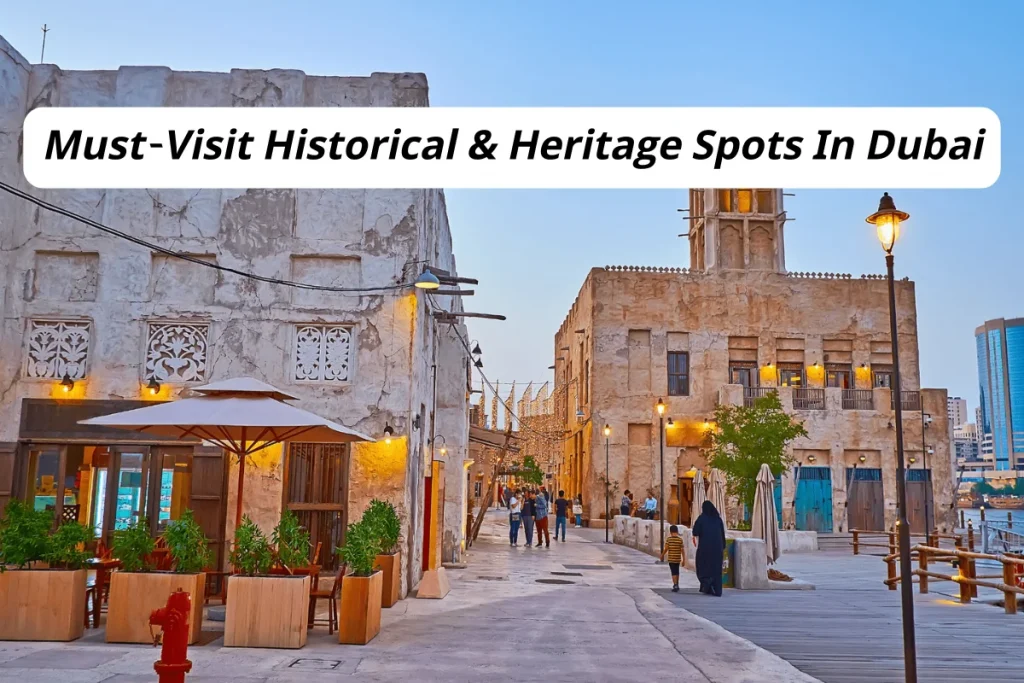

Dubai is widely known for its luxurious lifestyle, iconic skyscrapers, and modern attractions. However, the city also holds a strong connection to its cultural roots, shaped by history, traditions, and local heritage.
This blog highlights the cultural side of Dubai, focusing on significant sites that showcase its heritage.
If you are looking to explore cultural places to visit in Dubai, this guide will help you discover authentic experiences beyond the city’s modern image. It includes information on Dubai heritage sites, traditional Dubai, Dubai museums, and meaningful cultural experiences in Dubai.
Cultural Places to Visit in Dubai for Tourists
Al Fahidi Historical Neighborhood (Al Bastakiya)
Al Fahidi Historical Neighborhood, also known as Al Bastakiya, is one of the oldest traditional areas in Dubai. Located near Dubai Creek, it preserves the charm of life before the city’s rapid development.
The neighborhood features restored wind towers, narrow alleyways, and buildings made from gypsum, coral, and limestone. Walking through its peaceful lanes offers a glimpse into what Old Dubai once looked like.
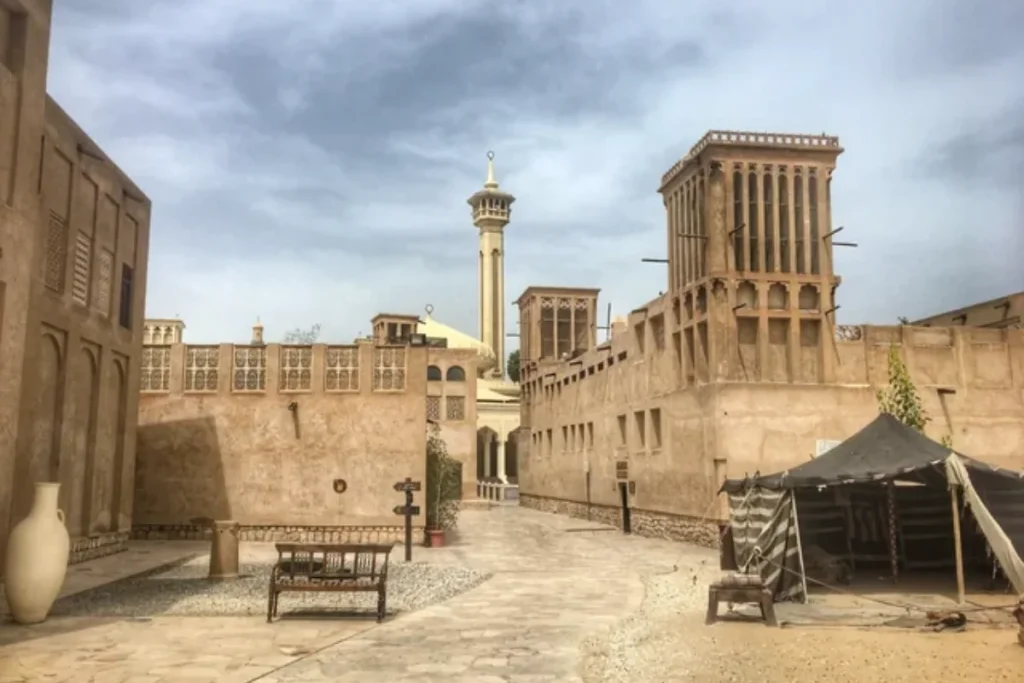
This area plays an important role in showcasing traditional Dubai and its architectural heritage. The design of the homes and the layout of the streets reflect how Emiratis adapted to their environment before the availability of modern cooling systems.
Al Fahidi is more than just a visual experience: it is a cultural immersion that brings you closer to the roots of the city.
The neighborhood is also home to art galleries, cultural spaces, and museums. Visitors can explore exhibitions at the XVA Art Hotel, attend workshops at the Sheikh Mohammed Centre for Cultural Understanding (SMCCU), or simply enjoy traditional Emirati hospitality in a heritage courtyard café.
Essential Info:
- Opening hours: 7:00 AM to 8:00 PM daily
- Location: Al Fahidi, next to Dubai Creek
- Nearby attractions: SMCCU, Coins Museum, Coffee Museum, Al Seef
- Nearby cafes and restaurants: Arabian Tea House, Al Fanar Restaurant & Cafe, Wokyo Noodle Bar
- Dress code: Modest clothing is recommended. Choose garments that cover shoulders and knees. For more guidance, see our article on what to wear in Dubai
- Prices: Entry is free, and no prior booking is needed
Dubai Museum (Al Fahidi Fort)
Housed inside the Al Fahidi Fort, the Dubai Museum is one of the most important Dubai heritage sites. It offers a detailed look into the city’s past before the oil boom.
The museum takes you through traditional desert life, pearl diving, and the early trade routes that shaped Dubai’s economy.
Through life-size dioramas and historical exhibits, it paints a vivid picture of daily life in the Emirates.
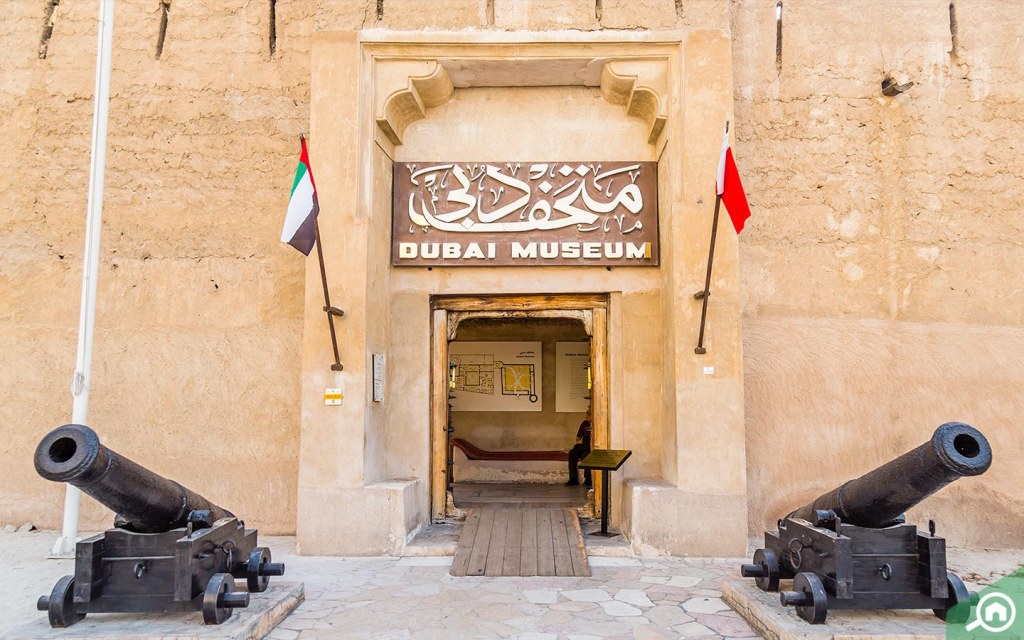
Built in 1787, Al Fahidi Fort is the oldest existing building in Dubai. Originally a defensive structure, it later served as a palace and a weapons store. Its mudbrick walls and traditional construction showcase classic Arabian architecture, connecting visitors to the city’s deep-rooted history.
The museum appeals to both adults and children, making it a great stop for families. Interactive displays and recreated souks and homes give visitors a chance to engage with cultural experiences in Dubai in an authentic setting.
Essential Info:
- Opening hours: 8:30 AM to 8:30 PM Saturday to Thursday, 2:30 PM to 8:30 PM on Fridays
- Location: Al Fahidi Fort, Bur Dubai
- Nearby attractions: Al Fahidi Historical Neighborhood, Grand Mosque, Textile Souk, Dubai Creek
- Nearby cafes and restaurants: Bayt Al Wakeel, Al Ustad Special Kabab, Local House Restaurant
- Dress code: Modest dress is recommended. Both men and women should cover their shoulders and knees
- Prices: Adults AED 3, Children under 6 AED 1. Tickets can be purchased at the entrance
Sheikh Mohammed Centre for Cultural Understanding (SMCCU)
The Sheikh Mohammed Centre for Cultural Understanding (SMCCU) is a must-visit for anyone interested in gaining a deeper appreciation of Emirati culture, religion, and traditions.
Established under the motto “Open Doors, Open Minds,” SMCCU invites guests of all backgrounds to participate in open discussions about Emirati customs, Islamic practices, and daily life in the UAE.
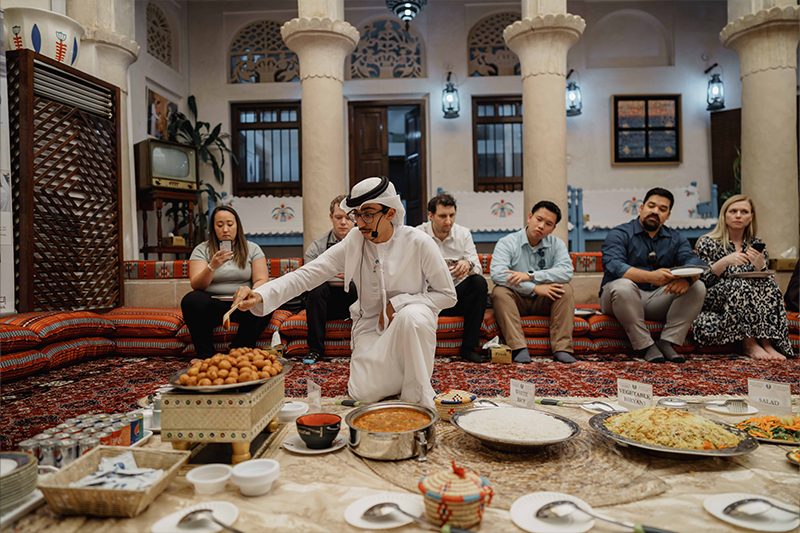
The center is best known for its traditional Emirati breakfast, lunch, and dinner experiences—hosted in a wind tower house within the Al Fahidi Historical Neighborhood.
These meals are followed by guided Q&A sessions where no question is off limits. You can also join guided mosque tours and heritage walks that provide historical and religious context to the architecture and customs of the region.
For travelers looking to understand local etiquette, beliefs, and values, SMCCU offers one of the most authentic cultural experiences in Dubai. It’s both educational and welcoming, making it ideal for first-time visitors and curious minds.
Essential Info:
- Opening hours: Sunday to Thursday, 9:00 AM to 5:00 PM (Programs by reservation only)
- Location: Al Fahidi Historical Neighborhood, House 26, Al Mussallah Road
- Nearby attractions: Dubai Museum, Coffee Museum, Al Seef, Dubai Creek
- Nearby cafes and restaurants: Arabian Tea House, Local House Restaurant, XVA Café
- Dress code: Modest clothing is recommended, especially for mosque tours. Shoulders and knees should be covered
- Prices: Cultural meals start at around AED 85 per person. Advanced booking required for all sessions
Etihad Museum
The Etihad Museum is a sleek, modern cultural landmark dedicated to preserving and showcasing the history of the United Arab Emirates’ formation in 1971.
Built on the actual site where the UAE’s founding fathers signed the union agreement, the museum provides visitors with a powerful journey through the country’s unification story.
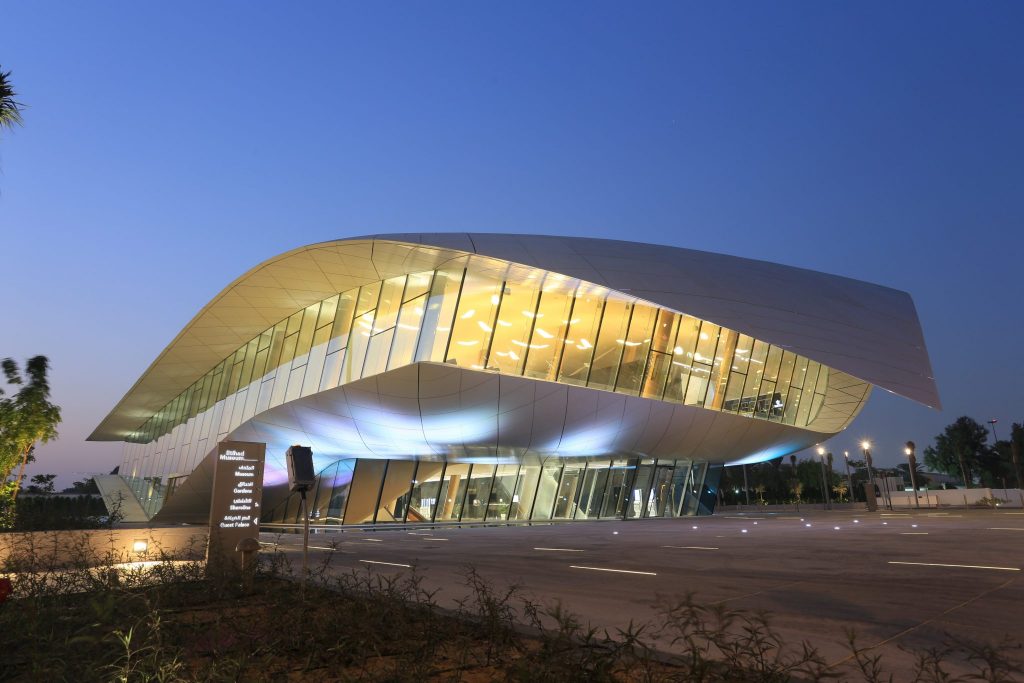
Designed with a futuristic aesthetic resembling a manuscript, the museum features interactive exhibits, archival photos, personal artifacts, and multimedia displays that chronicle the events leading up to the signing of the Constitution.
It highlights the vision, leadership, and diplomacy that brought the seven emirates together.
Ideal for expats, history buffs, and students alike, the Etihad Museum offers a thoughtful and engaging perspective on national identity, governance, and heritage; all within a visually striking space that reflects the modern UAE.
Essential Info:
- Opening hours: Daily from 10:00 AM to 8:00 PM
- Location: Jumeirah Street, near Union House, Dubai
- Nearby attractions: Jumeirah Mosque, Dubai Canal Walk, DryDocks World
- Nearby cafes and restaurants: Tania’s Teahouse, Arabian Tea House (Jumeirah branch), Comptoir 102
- Dress code: Modest attire is appropriate; no specific dress code required
- Prices: General entry is AED 25 for adults, AED 10 for students; guided tours and group packages available
Al Shindagha Museum
Located along the historical Dubai Creek, this museum is part of a larger heritage district that brings the city’s past to life through well-curated exhibits and immersive storytelling.
The museum is divided into several houses, each focusing on a different aspect of traditional Emirati life.
Notable highlights include The Perfume House, where visitors can explore the ancient art of Emirati perfumery, and storytelling rooms that use multimedia and oral history to trace the evolution of Dubai’s coastal communities.
Through its engaging setup, Al Shindagha Museum helps visitors understand how Dubai’s identity was shaped by its connection to the sea, trade, and craftsmanship. It’s a must-visit for travelers interested in authentic cultural experiences and Dubai’s transformation over time.
Essential Info:
- Opening hours: Daily from 10:00 AM to 8:00 PM
- Location: Al Shindagha District, Bur Dubai, near Dubai Creek
- Nearby attractions: Dubai Creek, Heritage Village, Al Ghubaiba Souk
- Nearby cafes and restaurants: Al Khayma Heritage Restaurant, Bayt Al Wakeel, Starbucks (Heritage Village)
- Dress code: Wear modest clothing; recommended to cover shoulders and knees
- Prices: General admission AED 15 for adults, AED 5 for children; combo passes available for multiple houses
Jumeirah Mosque
Jumeirah Mosque is one of Dubai’s most recognizable landmarks and among the few mosques in the UAE open to non-Muslim visitors. Built entirely from white stone, its Fatimid-style architecture, twin minarets, and large central dome make it a standout example of traditional Islamic design.
This mosque plays a vital role in promoting cultural exchange and religious understanding.
Through the “Open Doors, Open Minds” initiative by the Sheikh Mohammed Centre for Cultural Understanding (SMCCU), visitors can take part in guided tours that offer insights into Islamic beliefs, local customs, and Emirati traditions.
It’s an educational and respectful environment for anyone curious about the UAE’s spiritual side.
Essential Info:
- Opening hours: Tours run daily (except Fridays) at 10:00 AM
- Location: Jumeirah Beach Road, opposite Dubai Zoo
- Nearby attractions: La Mer Beach, Etihad Museum, Boxpark
- Nearby cafes and restaurants: Lime Tree Café, Arabian Tea House (Jumeirah), Boston Lane
- Dress code: Modest dress required (long sleeves, long pants or skirts); traditional attire is available for loan on-site
- Prices: AED 35 per person (includes Arabic coffee, dates, and guided tour)
Dubai Opera and Al Seef District
Together, Dubai Opera and Al Seef District capture two distinct yet complementary sides of Dubai’s cultural identity: one steeped in modern creativity, the other rooted in heritage.
Al Seef lies along the Dubai Creek and features traditional wind towers, sandstone-colored architecture, and cobbled walkways, creating a nostalgic atmosphere that blends seamlessly with modern cafes, boutique shops, and pop-up art spaces.
It’s perfect for visitors who want to experience traditional Dubai while enjoying a relaxing waterfront vibe.
Just a few kilometers away, Dubai Opera stands as a contemporary icon. This architectural marvel is shaped like a dhow (traditional boat) and serves as Dubai’s premier performing arts venue.
From Arabic poetry recitals to global musical theatre, ballet, and opera, it showcases a broad range of performances that reflect both local culture and international artistry.
Essential Info:
- Opening hours (Al Seef): Open daily, 10:00 AM to 10:00 PM
- Location (Al Seef): Al Seef Street, Dubai Creek, Bur Dubai
- Nearby attractions: Dubai Museum, Al Fahidi Historical District, Dubai Creek
- Nearby cafes/restaurants (Al Seef): Al Fanar Restaurant, Starbucks, ILA Restaurant & Cafe
- Prices (Al Seef): Free to enter
- Opening hours (Dubai Opera): Varies depending on event; typically open from 10:00 AM to 9:00 PM
- Location (Dubai Opera): Downtown Dubai, near Burj Khalifa
- Nearby attractions: Burj Khalifa, Dubai Fountain, The Dubai Mall
- Nearby cafes/restaurants (Dubai Opera): Armani/Mediterraneo, The Loft at Dubai Opera, Tulum Restaurant
- Dress code: Smart casual or formal attire recommended for shows
- Prices: Ticket prices vary by performance
Heritage & Diving Village
Heritage & Diving Village is a unique outdoor museum that brings to life Dubai’s past as a small fishing and pearl-diving town.
Located in the Al Shindagha area near the Creek, this cultural spot focuses on the Bedouin way of life, traditional crafts, and the history of pearl diving, a trade that shaped Dubai before oil.
Visitors can explore reconstructed houses, souks, and watch live demonstrations of pottery, weaving, and dhow building. It’s a peaceful place to walk, learn, and connect with the UAE’s pre-modern roots. Great for families, culture enthusiasts, and photographers.
Essential Info:
- Opening hours: Typically 8:00 AM – 8:00 PM (check ahead as times may vary)
- Location: Al Shindagha area, near Al Ghubaiba Metro Station
- Nearby attractions: Al Shindagha Museum, Dubai Creek, Sheikh Saeed Al Maktoum House
- Nearby cafes/restaurants: Arabian Tea House (Al Fahidi), Creekside Cafe, Local House Restaurant
- Prices: Free or low entry fee, depending on the exhibitions
- Best for: Understanding Dubai’s early heritage through hands-on exhibits
Global Village (Seasonal)
Global Village is one of Dubai’s most popular cultural festivals, combining entertainment, shopping, and heritage from more than 90 countries.
Open from October to April each year, the park features country-themed pavilions, each offering traditional foods, crafts, and performances unique to that culture.
Whether you’re watching Turkish dancers, trying Filipino street food, or shopping for Moroccan rugs, the experience is a lively celebration of diversity. With rides, live shows, and fireworks, it’s fun for all ages—perfect for evening visits.
Newly Opened Restaurants in Dubai
Essential Info:
- Opening hours: October to April; 4:00 PM – midnight (weekends until 1:00 AM)
- Location: Sheikh Mohammed Bin Zayed Road, Exit 37
- Nearby attractions: IMG Worlds of Adventure, Dubai Miracle Garden (seasonal)
- Nearby cafes/restaurants: A wide range of global food stalls and food trucks
- Prices: Entry starts around AED 20 (kids under 3 enter free)
- Best for: Family-friendly fun and cultural exploration in one place
Why Culture Matters in Dubai Travel
Understanding local culture adds depth to any visit. In Dubai, culture reflects the journey from its Bedouin past to its development as a global city.
Although Dubai has grown rapidly, its cultural identity remains strong. Values such as hospitality, respect for elders, and community life are still central to the way of living.
By exploring local traditions, visitors gain a clearer understanding of daily life and social customs. Learning about these traditions also encourages respectful and informed travel, helping guests appreciate the significance of what they see and experience.
Conclusion
Dubai is not only about luxury and skyscrapers. It is also a city built on strong traditions, heritage, and cultural values.
From the historic lanes of Al Fahidi to meaningful places like the Etihad Museum, every location shares a story about how Dubai has grown over time. These cultural spots help you see a different side of the city that many visitors often miss.
If you want to truly understand Dubai, make time to explore its culture. These experiences will give you deeper insights, not just photos.
Planning your trip? Make sure to include these cultural places in your itinerary to experience the real Dubai.
Frequently Asked Questions
What is the most culturally significant area in Dubai?
The Al Fahidi Historical Neighborhood (also known as Al Bastakiya) is considered the most culturally rich area in Dubai. It’s one of the oldest districts in the city, featuring preserved wind towers, narrow lanes, traditional architecture, and plenty of cultural attractions like museums, art galleries, and heritage cafés.
Is Dubai good for cultural tourism?
Yes, absolutely. While Dubai is known for its luxury lifestyle and modern architecture, it also offers a wide range of cultural experiences. From exploring historic neighborhoods and museums to attending cultural events and performances, visitors can immerse themselves in the city’s rich heritage.
Are Dubai museums open every day?
Most museums in Dubai are open daily, but opening hours can vary slightly depending on the museum. For example, the Al Fahidi Historical Neighborhood and the Etihad Museum are typically open from morning until early evening. It’s always a good idea to check the museum’s official website or contact them for the latest hours, especially during public holidays.
Do I need a guide to visit historical areas?
You can explore many historical areas like Al Fahidi on your own, but having a guide can add depth to your visit. Guided tours often provide fascinating context, stories, and cultural explanations that you might miss otherwise. Places like the Sheikh Mohammed Centre for Cultural Understanding also offer guided sessions and Q&A tours for a more immersive experience.
How can I experience traditional Emirati culture in Dubai?
There are many ways to experience traditional Emirati culture in Dubai. You can visit heritage villages, attend a cultural meal or mosque tour at SMCCU, explore historical districts, or enjoy performances at Dubai Opera. Trying Emirati cuisine, visiting The Perfume House, and watching live crafts or storytelling also offer a closer look at local traditions.
