


If you’re planning a trip to Dubai or thinking about living there, it’s important to understand the weather.
Dubai has a desert climate, which means it can get extremely hot in the summer and stay warm in the winter.
Knowing what kind of weather to expect can help you pack better, plan your activities, and stay safe in the heat.
This guide will help you learn about the climate of Dubai. We’ll talk about how hot it gets, which months are the hottest, when the weather is cooler, and what the average temperature is like during the year.
Whether you’re coming for a short visit or staying long-term, this guide will help you prepare for the weather in Dubai.
General Overview of Dubai’s Climate
Dubai has a desert climate, also known as an arid subtropical climate.
This means it’s mostly hot and dry throughout the year, with very little rainfall. The sun shines almost every day, and cloudy or rainy days are rare.
Dubai is located in the Arabian Desert, so it experiences high temperatures, especially during the summer months.

The temperature in the desert around Dubai can rise quickly during the day and drop slightly at night, but it mostly stays warm even after sunset.
Rainfall in Dubai is very low. On average, it rains only a few days in the entire year, usually between December and March. When it does rain, it tends to be short and light. You won’t need to worry much about packing umbrellas or raincoats.
Because of its desert setting, Dubai gets plenty of sunshine, clear blue skies, and dry air.
This kind of weather is perfect for beach trips, sightseeing, and outdoor fun in the winter months, but it can feel intense during the summer if you’re not prepared.
Dubai’s climate plays a big role in shaping daily life, travel plans, and even what people wear. Understanding the temperature and dry desert conditions can help you enjoy your visit or stay in Dubai more comfortably.
Dubai Average Temperature by Month
Dubai’s climate is known for its extreme summer heat and mild winters.
Below is a helpful breakdown of monthly average temperatures, along with humidity and sea temperature details to give you a full picture of what to expect.
| Month | Avg High (°C) | Avg Low (°C) | Humidity (%) | Sea Temp (°C) |
| January | 24 | 14 | 60 | 22 |
| February | 25 | 15 | 58 | 22 |
| March | 28 | 17 | 55 | 23 |
| April | 33 | 21 | 50 | 25 |
| May | 38 | 25 | 45 | 28 |
| June | 40 | 27 | 47 | 31 |
| July | 42 | 30 | 55 | 32 |
| August | 43 | 31 | 60 | 33 |
| September | 40 | 28 | 58 | 32 |
| October | 36 | 24 | 55 | 31 |
| November | 31 | 20 | 60 | 28 |
| December | 26 | 16 | 65 | 25 |
Key Takeaways:
- Hottest months in Dubai are July and August, where temperatures can reach up to 50°C in the daytime.
- Coldest month in Dubai is usually January, though it’s still quite warm compared to many other parts of the world.
- Humidity peaks in the summer, making the heat feel even more intense.
- Sea temperatures are warm all year round, ideal for swimming from spring to autumn.
Seasonal Breakdown: What to Expect Throughout the Year
Winter (December to February)
Winter is the most comfortable time of the year in Dubai. The weather is mild, making it perfect for outdoor activities, sightseeing, and beach days.
This is also the peak tourist season, so the city is lively with events, festivals, and visitors from around the world.
January is usually the coldest month in Dubai. But don’t expect snow or freezing temperatures.
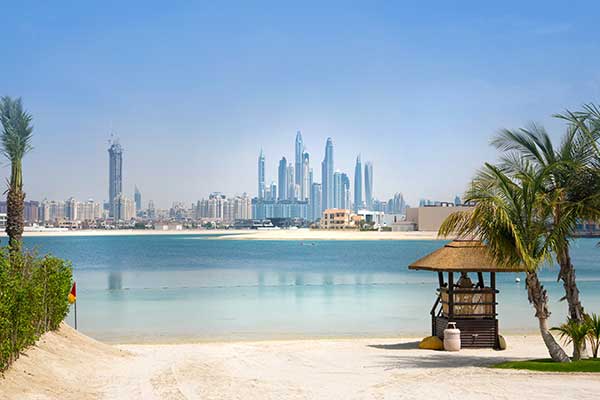
The average daytime highs are around 23–25°C (73–77°F), while the nights can get cooler, with lows around 14–16°C (57–61°F).
The cooler weather allows you to enjoy open-air markets, desert safaris, dhow cruises, and long walks along Jumeirah Beach or Dubai Marina.
Many people also visit global events like the Dubai Shopping Festival, which takes place during winter.
If you don’t like extreme heat, this is the best time to explore the city comfortably.
Spring (March to May)
Spring in Dubai comes with a gradual rise in temperature. March still feels quite pleasant, but by May, it starts getting noticeably hot.
Daytime temperatures can range from 28°C (82°F) in March to around 38°C (100°F) in May.
During this season, you might experience occasional sandstorms. These are caused by strong desert winds that lift dust into the air, reducing visibility and causing dry conditions.
It’s a good idea to stay indoors during sandstorms or wear sunglasses and a mask if you need to go outside.

When it comes to dressing, go for light and breathable clothing. Cotton and linen fabrics work best.
A hat and sunscreen will help protect you from the strong sun, especially if you’re spending time outdoors. Evenings are still warm, but comfortable, so you can enjoy outdoor dining or strolls.
Spring is a transition period before the extreme summer heat, so it’s a nice time for sightseeing and short trips.
Summer (June to September)
Summer in Dubai is extremely hot and intense. The hottest months in Dubai are July and August, when temperatures can soar up to 50°C (122°F) during the day.

Even at night, the temperature often stays above 30°C (86°F), making it feel hot around the clock.
So, how hot is Dubai during peak summer? It’s scorching. The sun is very strong, and the heat can be overwhelming, especially for those not used to desert climates.
Humidity also increases during this time, which makes the heat feel even more intense.
The hot weather in Dubai affects daily life and travel. Outdoor activities become limited during the day, and most people stay indoors or plan their outings early in the morning or after sunset.
It’s common to see almost-empty streets in the afternoon hours.
But Dubai is built for this climate. There are plenty of indoor activities to enjoy.
You can visit malls like the Dubai Mall or Mall of the Emirates, explore museums, go ice skating, try indoor skiing, or relax at indoor theme parks. Hotels and restaurants are fully air-conditioned, so comfort is never an issue.
If you’re visiting during summer, staying hydrated and avoiding long periods outdoors is key.
Autumn (October to November)
Autumn in Dubai brings a welcome change in the weather. After the intense summer heat, temperatures begin to drop, especially in the evenings.
Days are still warm, but the air starts to feel less humid and more comfortable.
By late October, you can enjoy cooler mornings and pleasant evenings, making it easier to explore the city outdoors.
This period marks a transition from extreme heat to more bearable weather, which is why many residents and tourists look forward to it.
The beaches and outdoor cafes slowly start to fill up again, and the city begins to host more outdoor events and festivals.
Tourist activity begins to rise during this time. It’s not as crowded as the peak winter season, but visitors start arriving to enjoy the better weather.
It’s also a popular time for desert safaris, outdoor shopping, and waterfront dining.
Overall, autumn is a great time to visit Dubai if you prefer fewer crowds and a break from the heat without the full chill of winter.
Dubai’s Climate in the Context of Global Warming
Over the last decade, Dubai’s summers have become even hotter. Temperatures often climb above 48°C, and heatwaves are now more frequent and intense than before.
Climate data shows a clear trend — summers are getting longer and more extreme.
To deal with this, the UAE is investing in smart solutions:
- Green buildings that reflect heat and reduce energy use
- Shaded walkways and cooled bus stops to make outdoor movement safer
- Urban planning that adds more green spaces and water features
- Innovation in cooling technology, including AI-driven climate control in public areas
These efforts are helping people stay comfortable, but it’s also a reminder of how important it is to choose the right time to visit and stay safe in the heat.
How to Prepare for Dubai’s Climate
Dubai’s weather can be intense at times, especially during the summer. To enjoy your trip comfortably, it helps to plan ahead with the right clothes, skincare, and safety habits.
Packing Tips by Season
Winter (December to February): Pack light layers for cooler mornings and evenings. A light jacket or sweater is useful.
Spring (March to May): Choose breathable clothes like cotton or linen. A scarf and sunglasses can help with the occasional sandstorm.
Summer (June to September): Go for loose, airy clothes. Bring sunscreen, sunglasses, a wide-brimmed hat, and stay light to beat the heat.
Autumn (October to November): Pack lightweight clothes for the day and an extra layer for the evenings when temperatures start to drop slightly.
Skincare and Hydration in the Heat
- Keep your skin protected with a good SPF sunscreen.
- Drink plenty of water to avoid dehydration.
- Use moisturizer and lip balm to prevent your skin from drying out due to the desert air and air conditioning.
Appropriate Clothing for Climate and Culture
- Choose modest but breathable clothing. This keeps you cool while respecting local customs.
- Women may want to carry a light shawl or scarf.
- Men should avoid sleeveless tops in formal or religious places. Shorts are generally fine in most public areas.
Why is Dubai So Hot?
Dubai’s heat is due to its location in the middle of the Arabian Desert. Clear skies and very little rain means the sun beats down almost every day of the year.
Being close to the Tropic of Cancer means the sun is almost directly overhead in summer.
The flat landscape and low elevation adds to the heat. Dubai is also very developed with buildings, roads and air conditioning systems creating extra heat through the “urban heat island” effect.
In summer, the humidity from the Arabian Gulf makes the air feel even hotter than it is, often pushing the “feels-like” temperature over 50°C.
This combination of desert heat and coastal humidity is what makes Dubai one of the hottest cities in the world.
Conclusion
Dubai’s weather is unique, warm winters and hot summers. Best time to visit is between November to March when the weather is nice.
But even during hot months you can still enjoy the city by sticking to indoor attractions and staying hydrated.
Key takeaways:
- Winter and spring is the best time to travel
- Summer is very hot but manageable with preparation
- Always check the forecast before you plan your itinerary
Dubai has something for you all year round. With smart planning and knowledge of the climate you can enjoy your trip safely and comfortably whatever the season.
